

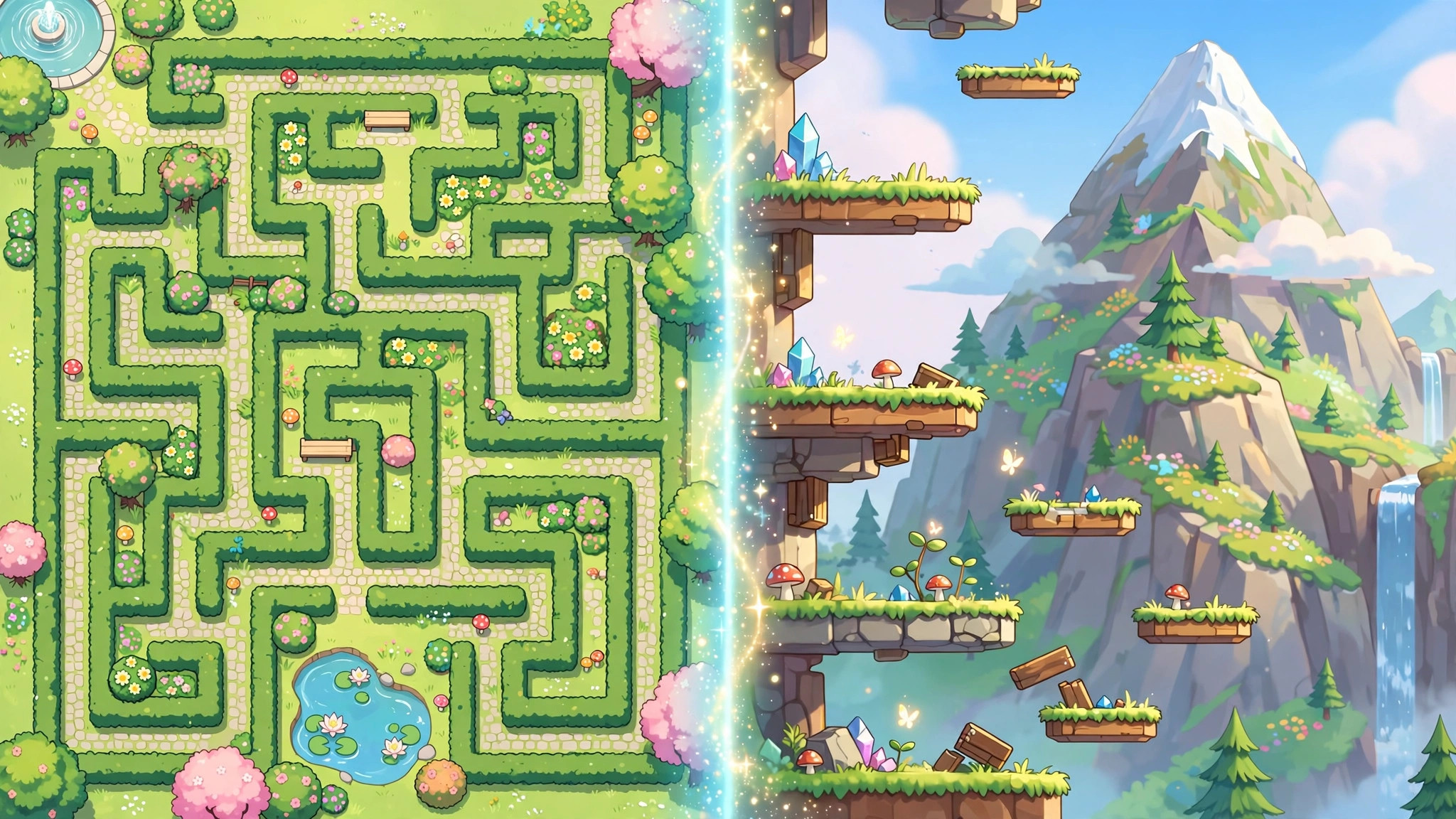
Every Gimkit Creative map begins with one decision you cannot undo later: the view. A Gimkit Creative platformer is a side-view world with gravity and jumping; a top-down map is viewed from above, like a board you walk across. The gimkit creative platformer choice shapes everything — how players move, what challenges work, even which devices matter most.
This comparison walks through how each style plays, what kinds of maps each style does best, and how to pick for your first (and next) build. If you have not built anything yet, our beginner’s guide to Gimkit Creative covers the editor basics both styles share.
gimkit platformer maps
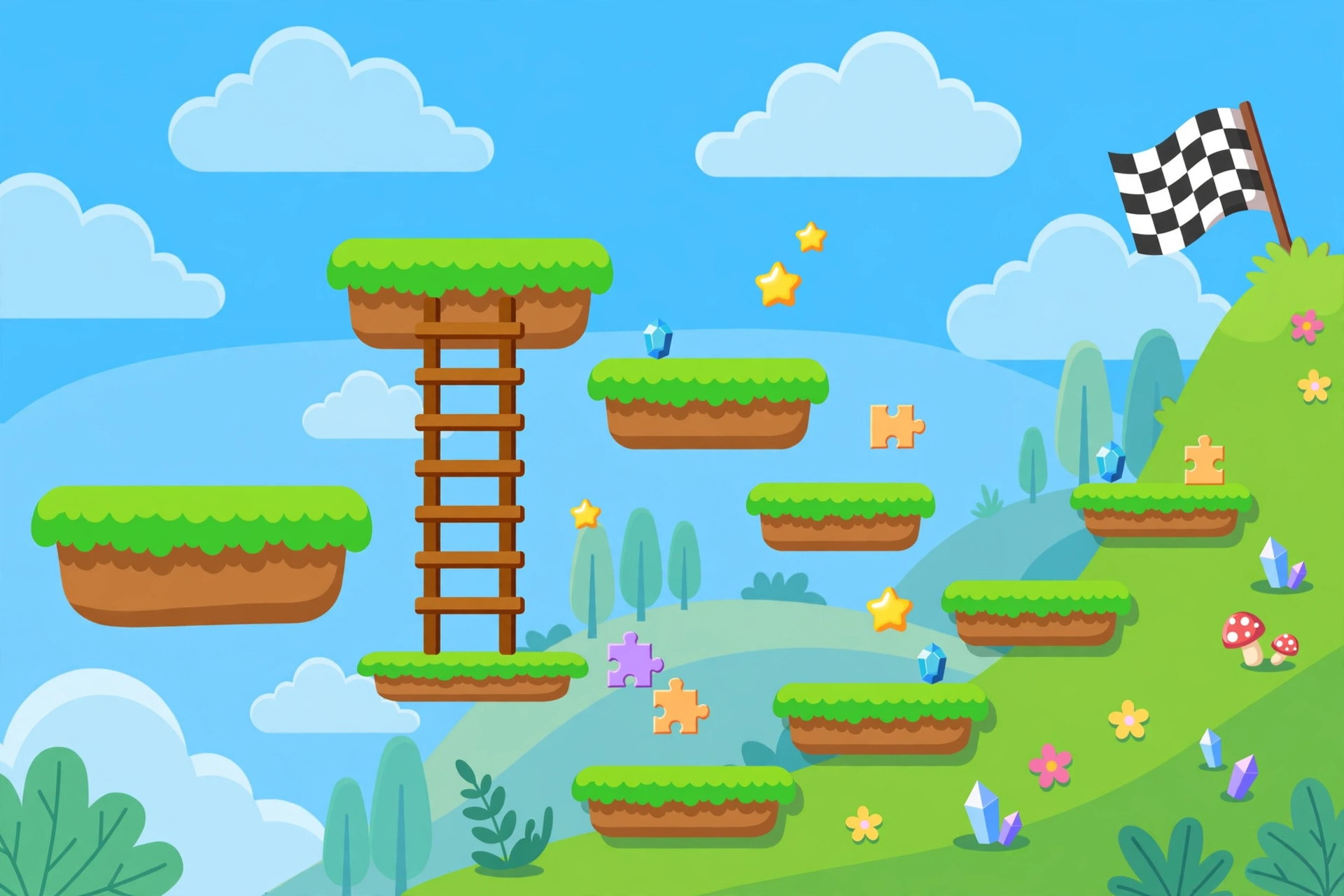
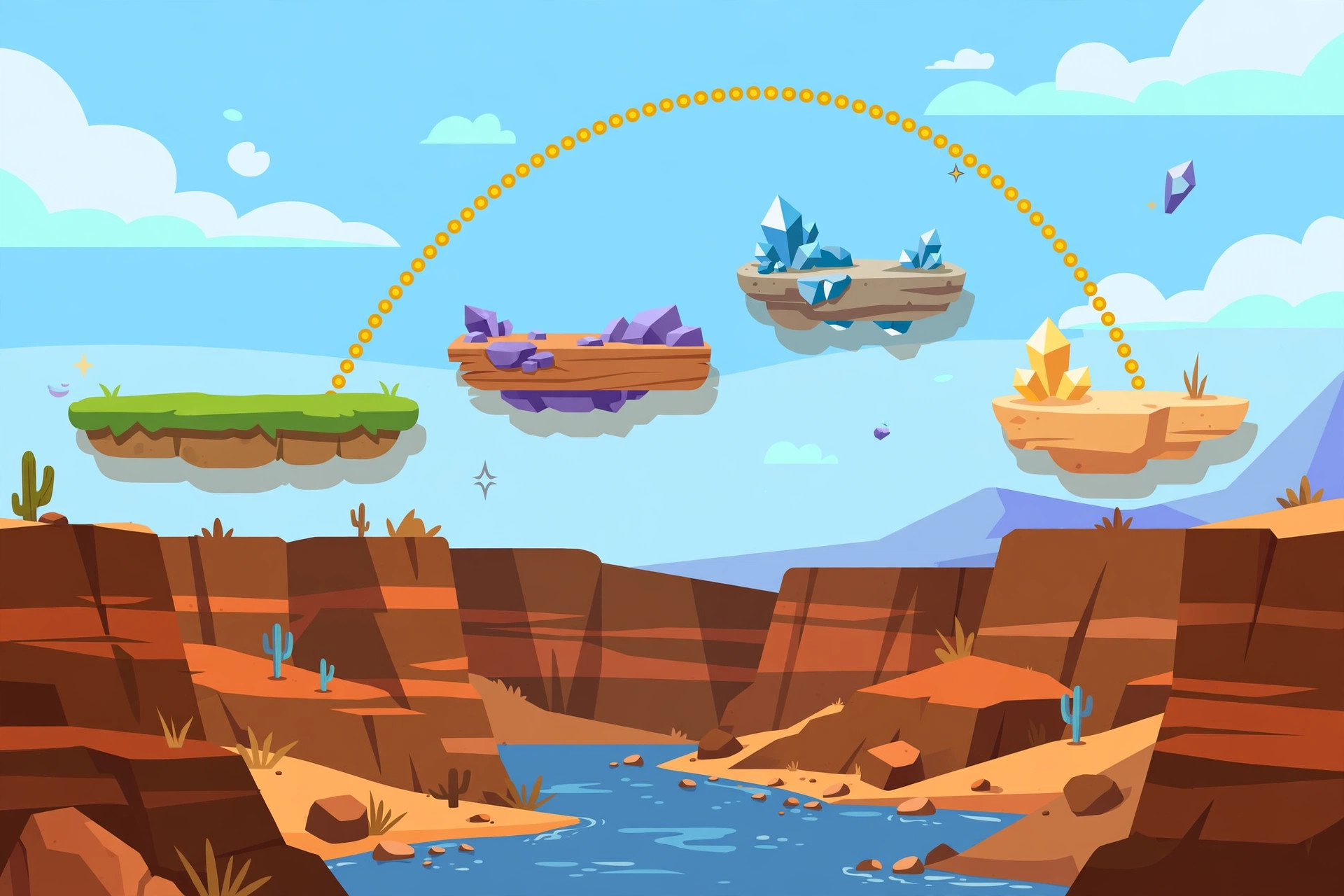
Gimkit platformer maps are side-scrollers. Your Gim stands on terrain, gravity pulls it down, and movement means running and jumping between platforms. The reference point every player knows is Don’t Look Down, the official platformer mode where you climb six summits — proof of how much fun vertical movement can be.
What platformer does best:
- Jumping challenges (obbies/parkour). Timed jumps, moving through the air, falling and retrying — the entire genre lives here.
- Climbing and vertical design. Towers, mountains, multi-level structures where height is the goal.
- Boss fights and action maps. Sentries shooting across platforms, hazards below, frantic movement.
- Exploration with gravity puzzles. One-way drops, leap-of-faith gaps, choosing which level to land on.
Platformer movement has a learning curve for map design rather than play: jump distances must be tested honestly. A gap that your Gim barely clears will frustrate younger students. Playtesting from the player’s seat — ideally having someone else try it — matters more in platformer than anywhere else.
Energy still powers the experience: players answer questions (via Questioner devices you place) to gain the energy that lets them move, so a platformer map is still a learning game at its core — just one where the learning fuels athletic movement instead of walking.
top down vs platformer gimkit
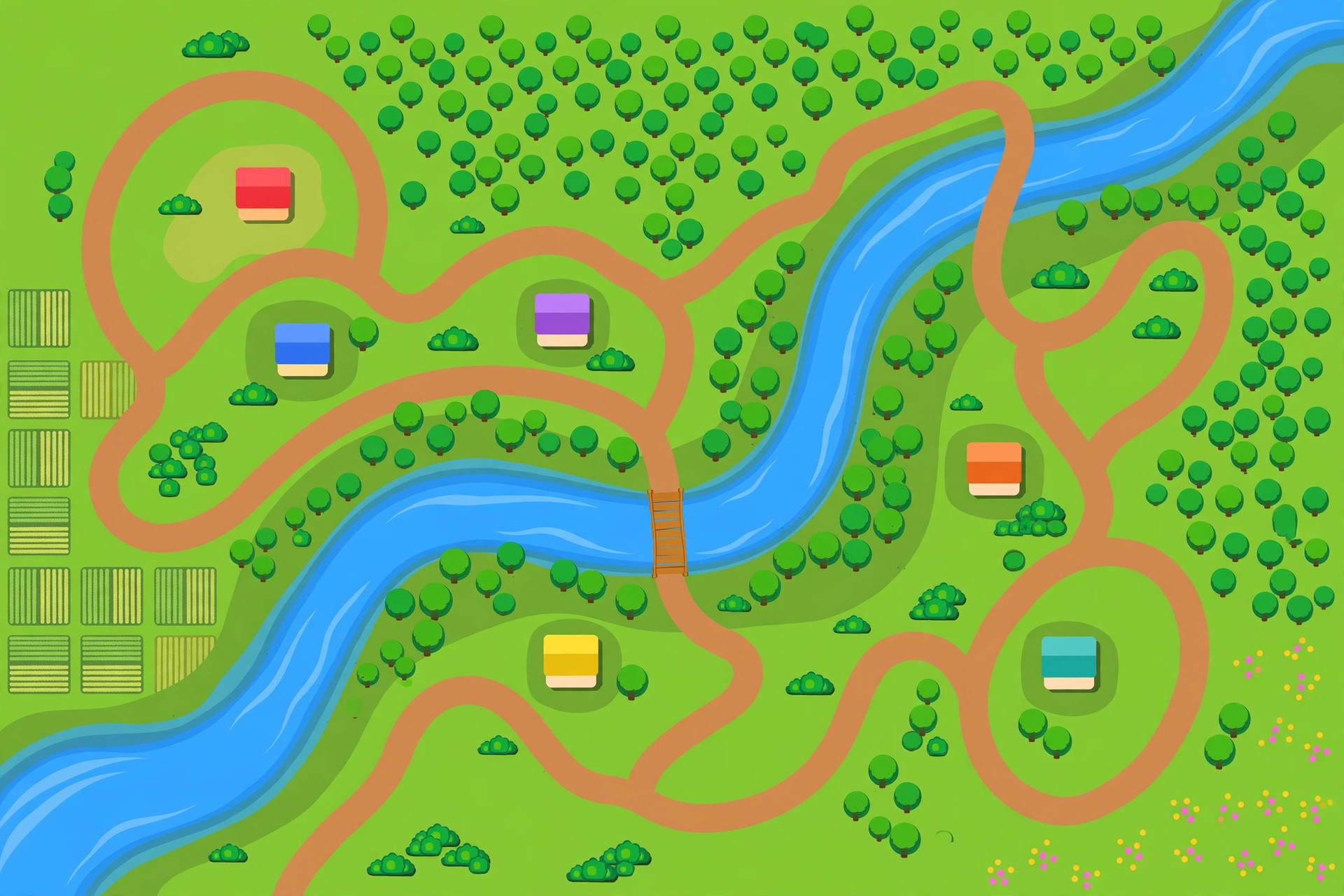
The top down vs platformer gimkit debate comes down to how the player experiences space. In top-down, you see your Gim from above and move freely in all directions — up, down, left, right — like walking a character around a floor plan. Fishtopia and most official 2D modes use this view.
Top-down strengths:
- Readable layouts. Players see a whole room at once; mazes, towns and floor-plan-style maps read clearly.
- Gentler movement. No gravity, no falling. Younger students and first-time players settle instantly.
- Room-based designs. Escape rooms, adventure maps with distinct rooms, hub worlds with teleporters between areas — top-down handles these beautifully.
- Devices shine. Zones, teleporters, barriers and sentries are easiest to design around when the whole space is visible.
A quick side-by-side to settle most decisions:
| Question | Top-Down | Platformer |
|---|---|---|
| View | From above | From the side |
| Gravity | No | Yes |
| Core movement | Walk anywhere | Run and jump |
| Best genres | Escape rooms, mazes, adventures, races | Obbies, climbs, boss fights, action |
| Beginner friendliness | Higher | Slightly steeper |
| Reference mode | Fishtopia | Don’t Look Down |
Neither style is “better” — they are different instruments. Plenty of strong creators build in both, choosing per idea. The Gimkit Help Center shows examples of each style if you want to see the official editor guidance before committing.
Which Style Should Your First Map Use?
For a first-ever build, we usually recommend top-down. The layout is forgiving, testing is fast, and room-based designs (start room → challenge room → finish room) teach you terrain, devices and questioners without jump-distance headaches. Most of the device guides on this site assume nothing about style, but their examples are easiest to picture top-down.
Choose platformer first instead if your idea is the jumping: an obby, a climbing tower, a “floor is lava” vertical scramble. When the fantasy is height and airtime, top-down simply cannot deliver it, and fighting the wrong style is worse than the slightly steeper learning curve.
One more consideration — your players. A class of third graders will enjoy a top-down maze immediately. A class of middle schoolers raised on platformer games may find top-down slow and beg for jumps. Design for the hands on the keyboards.
Can You Mix Styles in One Map?
Not within a single map: the style is chosen at creation and applies to the whole build. What experienced creators do instead is build a series — a top-down adventure map as “Part 1” and a platformer sequel as “Part 2,” sharing them in order. Players finish one and hop to the next with a fresh code or class link. It is a nice structure for a unit of lessons: explore the topic top-down, then test it in a platformer finale.
Whichever style you start with, your terrain skills carry over. Our guide to Gimkit Creative terrain and layers covers design principles that apply to both — floors and walls up top; ground and platforms from the side. And once you have a layout, devices work the same way in either world, as the devices guide shows.
Movement Feel: What Actually Differs Minute to Minute
Abstract comparisons hide the real difference, so here is a minute of play in each style.
In top-down, movement is calm and forgiving. You glide around a room, stop exactly where you intend, and think. Puzzles get room to breathe. A player who is lost can stand still and look — the whole room is visible — and being lost fixes itself. Combat is about positioning: step into range, step out.
In platformer, movement is the game. Momentum matters; a jump committed is a jump lived with. Being lost means being at the wrong height, and fixing it means climbing. Combat is about timing: the sentry fires while you are mid-air, and you planned that, or you did not. Platformer minutes are simply denser — more decisions per second, more laughter per failure.
Neither feel is better; they suit different energies. A reflective puzzle class wants the first minute. A Friday-energy class wants the second, sixty times over.
The Same Idea, Built Twice
To make the choice concrete, take one idea — a haunted-house escape — and watch it fork:
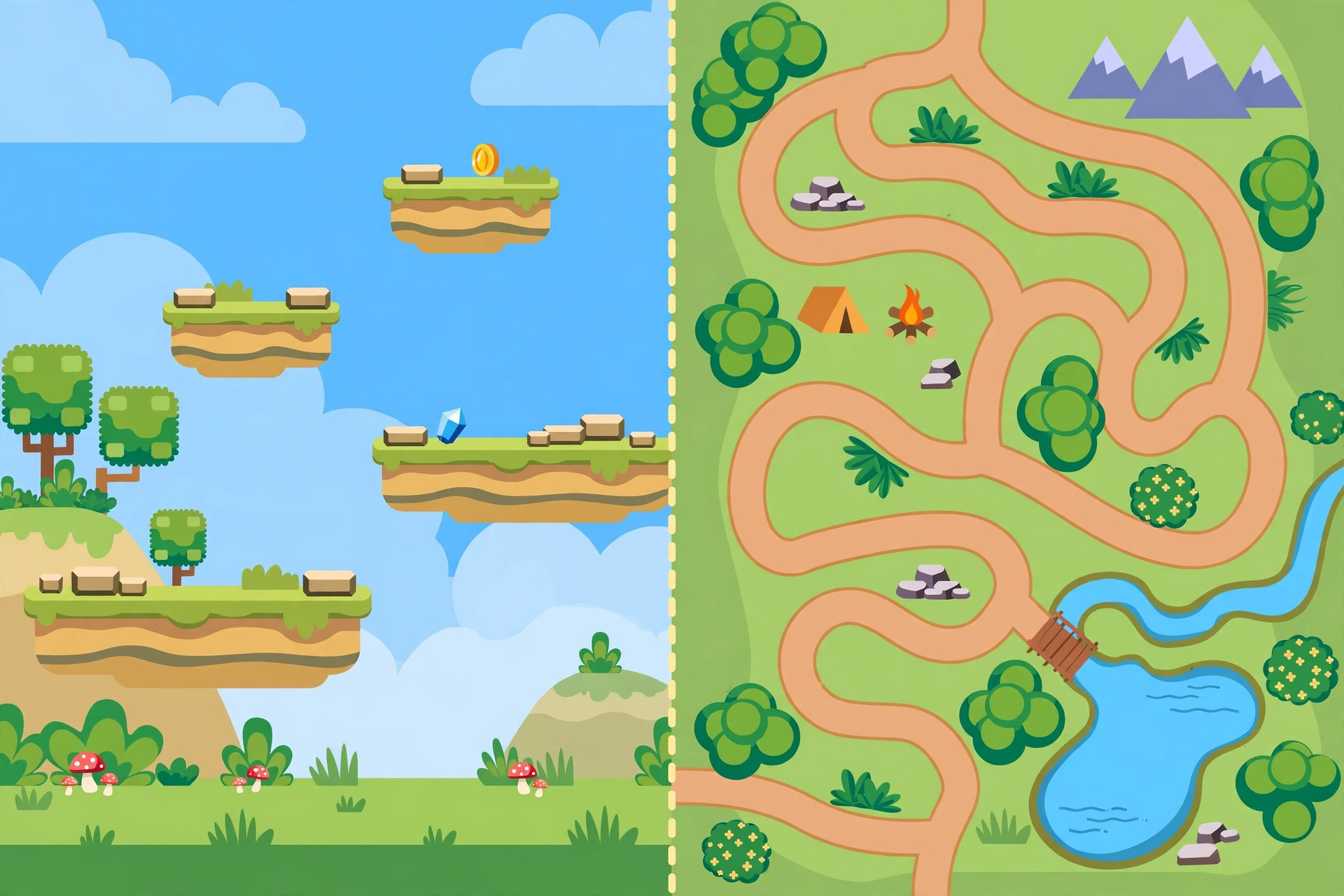
Top-down haunted house: a floor plan of gloomy rooms. Players wander room to room, reading the space from above, solving a question lock per door, teleporting between wings. The scare is spatial: what is behind the next door?
Platformer haunted house: a vertical mansion. Players climb broken staircases and jump chandelier to chandelier while the house falls apart beneath them. The scare is physical: the floor is lava-adjacent and the only way is up.
Same theme, same Kit, same teacher — two completely different afternoons. This is why experienced builders rarely argue about which style is better. They ask what the idea wants to feel like, and the style chooses itself.
If you genuinely cannot decide, prototype the first room in both. Twenty minutes of building will tell your hands what an hour of reading cannot — one of the two drafts will keep pulling you back in.
Switching Styles as a Builder (Never Mid-Map)
The style lock applies to maps, not to you — and learning both styles makes you twice the builder, because each style teaches reflexes the other hides. Top-down builds teach traffic flow: how players circulate, gather and queue. Platformer builds teach gravity economics: what a jump costs, what a fall forgives, how height creates desire. A builder fluent in both starts choosing styles the way authors choose viewpoint — by what the story needs. Rotate deliberately: if your last two maps were platformers, give the next idea a top-down draft on paper first and see which sketch excites you. Sometimes an idea is mediocre in its first style and magnificent in its second, and you will never know until you practice the discipline of asking. The maps stay locked; the builder never should be.
One more habit worth building early: after finishing a platformer, spend ten minutes walking your own map in play mode and noting every jump that felt even slightly unfair. Mark the spot in the editor immediately, while your hands still remember the frustration. Platformer design is a conversation between builder and gravity, and your notes are how you speak clearly. Over a few maps, those notes become a personal checklist — your own platforming style, written down. That checklist is worth more than any single map you will ship this year.
Keep the checklist somewhere you will actually see it — taped beside the monitor beats buried in a folder. Habits you can see are habits that happen.
Frequently Asked Questions
Can I switch my map from top-down to platformer later?
No. The style is fixed when the map is created. If you fall in love with the other style, start a second map — your building skills transfer directly.
Which style do students prefer?
It varies by age and gaming background. Younger students take to top-down instantly; older students often love platformer’s jumping. Trying one of each across a term is a good rhythm.
Do devices work in both styles?
Yes — spawn points, questioners, teleporters, sentries, zones, barriers and the rest exist in both. What changes is how challenges are designed around movement.
Which style is better for an escape room?
Top-down, usually: rooms read clearly from above and clue-hunting feels natural. See our escape room build guide for a full walkthrough (linked from our Creative ideas collection).
Final Thoughts
Pick top-down for clarity, rooms and a gentle first build; pick the gimkit creative platformer for jumping, climbing and action. The right answer is the one that matches the map in your head — and since both styles share the same editor, devices and question system, your second map in the other style will feel familiar from the first click.
