

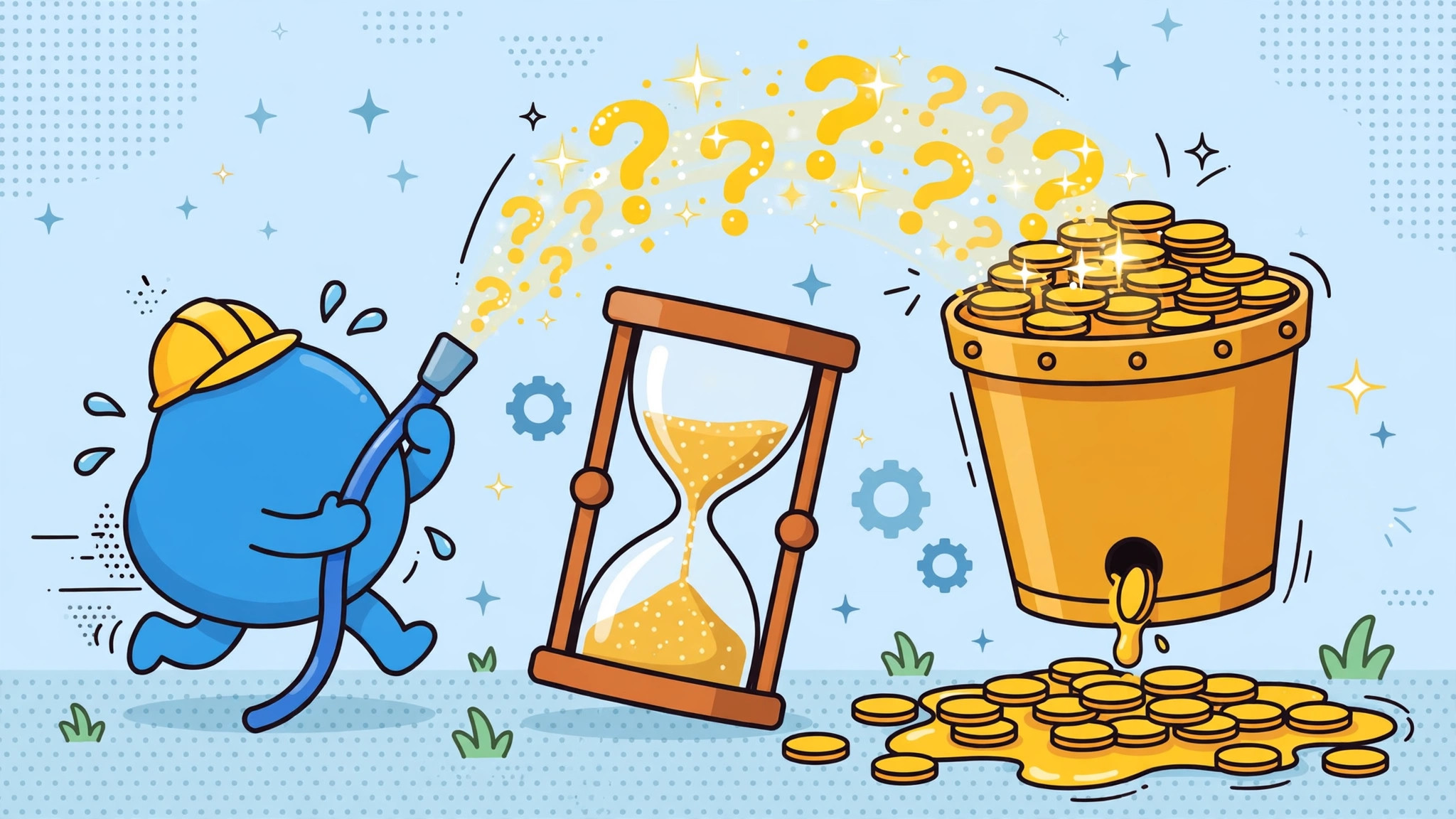
Your money is leaking. Not because you spent it, not because someone took it: in Gimkit Drained Mode, your cash balance drains away continuously for the entire game, and the only way to keep it above zero is to keep answering questions correctly. Stop earning for a little too long, watch the leak win, and your balance hits zero and takes you with it.
Drained Mode is the classic Gimkit race reimagined as a bucket with a hole in it. Every other mode asks, “how fast can you fill it?” This one asks a meaner and much more interesting question: “how long can you keep it from emptying?” That inversion produces a mode about sustainability rather than speed, where the leaderboard is a story of who kept a steady rhythm and who sprinted gloriously and drained out by mid-game. This guide explains how the drain works, the strange psychology it creates, and the survival strategy that wins it.
drained mode gimkit
Drained Mode in Gimkit keeps the classic foundation intact: answer questions from the host’s kit to earn cash, and use the shop the way you would in the classic format. The twist is layered on top and never sleeps: your balance steadily drains over time, so standing still is not a neutral act. In classic Gimkit, a player who stops answering simply stays where they are. In Drained Mode, a player who stops answering is actively dying.
The practical shape of a game:
- The drain starts with the game. From the opening moments, everyone’s cash leaks at a steady pace. There is no grace period long enough to relax in.
- Answering refills the bucket. Correct answers earn cash as usual, and your first job is simply to earn faster than the leak. Every player has a personal break-even pace, and finding yours is the opening minute’s real task.
- The shop still matters, with a twist. Upgrades that raise your earnings are doubly valuable here, because they widen the gap between what you earn and what you leak. But a purchase that drops your balance toward zero is flirting with the drain.
- Zero is the end. If your balance reaches zero, you are out. The mode eliminates quietly, one drained player at a time, which makes the mid-game standings a genuine drama: everyone can see who is living close to the line.
- Survivors race to the finish. The players still solvent at the end are the ones who never let the leak catch their rhythm. The winner is typically not the fastest earner in the room, but the most consistent one.
Notice what the drain does to the class’s relationship with time. In classic Gimkit, time is your friend if you are behind, because there is always more of it. In Drained Mode, time is the enemy wearing a friendly face: every second costs money, so a “quick break” is a budget decision, and students feel that arithmetic in their stomachs by the second minute.
For the unmodified classic experience, our Gimkit Tycoon guide covers the original, and Gimkit Hidden Mode offers another pressure-with-a-twist variant your class may love next.

The psychology of the leak
Drained Mode is secretly a focus test, and the students who fail it fail in predictable ways worth warning a class about.
The first failure is the sprint-and-rest pattern. A player answers furiously, builds a comfortable balance, and takes a breather, exactly as they would in any other mode. In Drained Mode the breather is billed by the second. Their “comfortable” balance melts while they chat, and they return to the screen poorer than a steady plodder who never stopped. The mode punishes intensity and rewards continuity with almost moral consistency, which is why teachers of easily-distracted classes find it weirdly effective: the game itself enforces the work habit.
The second failure is panic spending. As a balance slides, players rush the shop hoping an upgrade will save them, and buy the wrong thing in a hurry, which lowers the balance further and accelerates the end. The leak manufactures urgency, and urgency manufactures bad decisions. Watching a student recognize this mid-game (“I keep panic-buying!”) is a small, perfect metacognition moment.
The third failure is invisible: the slow fade. Some players never dramatically die. They just earn slightly below the drain rate for ten minutes, in a leak too slow to notice and too steady to survive. Drained Mode’s cruelest lesson is that being almost fast enough, forever, is still a way to lose, and the fix (one gear higher, sustained) is a genuinely transferable piece of wisdom about everything from homework to savings accounts.
gimkit drained mode tips
- Find your break-even pace in minute one. Deliberately measure how fast you must answer to keep the balance flat. Once you know the pace, hold slightly above it all game. Guessing at your pace is how players fade.
- Buy earnings upgrades before comfort upgrades. Anything that widens the earn-versus-leak gap is survival infrastructure. Anything else is a luxury purchased with seconds of life.
- Never shop on a sliding balance. If the drain is winning, answer first: rebuild a cushion, then spend. Shopping while sinking turns a recoverable dip into a death spiral.
- Small streaks, all game. You do not need heroic bursts; you need no droughts. Protect your rhythm the way distance runners protect theirs: steady, boring, relentless.
- Treat a wrong answer as a cost, not a catastrophe. Errors happen; the catastrophe is the stall afterwards while you stew. Answer the next question. The leak does not pause for feelings.
- Watch the drain when choosing risks. A risky guess is cheap at a high balance and fatal at a low one. Let your distance from zero, not your mood, decide how brave to be.

Your first Drained game, minute by minute
A class’s first Drained Mode game follows a script so reliable that teachers can set their watch by it, and knowing the script helps you survive your own debut.
Minute one is confusion. Students play exactly like classic Gimkit, check their balances, and do a small double-take: the number went down on its own. Somebody says it out loud. The room recalibrates in real time, and the answering pace of the whole class visibly rises.
Minutes two to four are the gold rush. Balances climb as students answer at their exciting new pace, and a dangerous confidence spreads: the drain seems beaten, the mode seems easy. This is the precise moment the sprinters spend their cushions on shop luxuries and stop worrying, while the future winners quietly note their break-even pace and keep it.
The middle of the game is the reckoning. The first sprint-and-rest player drains out, usually mid-sentence about how well they were doing. The room goes briefly quiet, the way a class does when a game proves it has teeth. From this point on, everyone still alive plays properly: steady, a little conservative, eyes flicking to the balance the way drivers check a fuel gauge.
The endgame belongs to the plodders, and their victory looks almost boring from the outside: no fireworks, just a balance that never once approached zero. That is the story students tell afterwards, though, because they watched the fast players burn brighter and drain first. It is the tortoise and the hare with a live fuel gauge, and no student who has lived it needs the moral explained.
Drained Mode in the classroom
Drained Mode occupies a special niche for teachers: it is the visible, gamified version of “use it or lose it” that makes sustained attention the mechanic rather than the expectation. Classes that drift in other formats hold focus here, because the cost of drifting is printed on the screen in real time. It also runs a superb debrief: ask who sprinted and drained, who plodded and survived, and what the difference felt like. Students describe the tortoise-and-hare story in their own gameplay without ever being lectured at.
Length-wise, it suits a focused mid-lesson slot, and it pairs well after a classic game: same skills, new pressure. Students should be warned about the twist before the first game, because discovering the drain mid-round feels unfair to exactly the methodical players the mode otherwise rewards. Set it up honestly (“your money leaks; keep answering or you will drain out”) and the class will respect the format from the first second.
Access is the familiar story: modes rotate on the free plan while Gimkit Pro unlocks the full list, so verify Drained Mode is in your picker before the lesson and consult the official Gimkit Help Center for current documentation. And for the philosophical opposite, a classic game with no finish line at all, see Gimkit Infinity Mode.

Frequently asked questions
How does the drain work in Drained Mode?
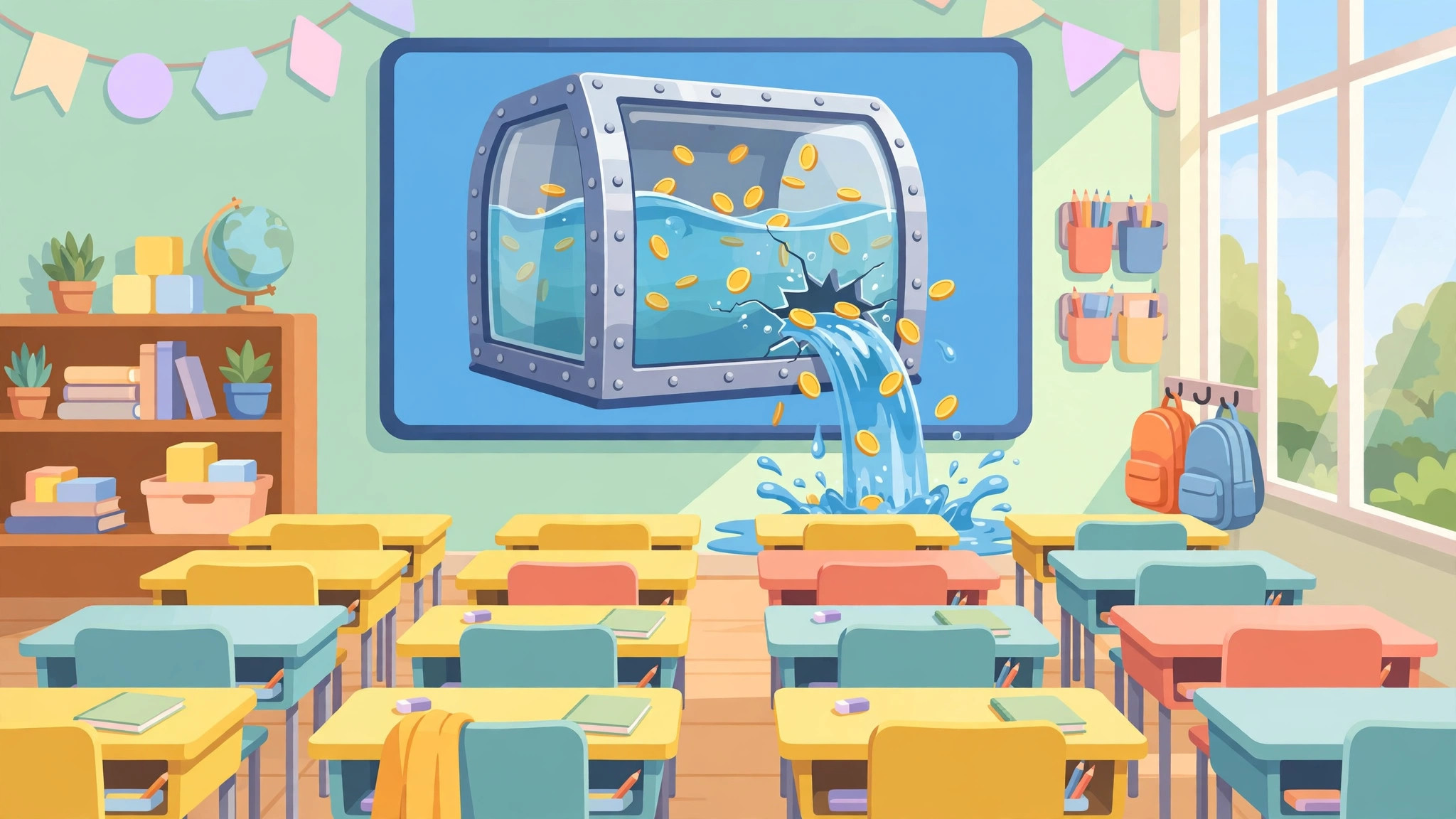
Your cash balance steadily decreases over time throughout the game. Answering questions correctly earns cash to offset it. If your balance reaches zero, you are out of the game.
What is the best strategy for Drained Mode?
Sustainability. Find the answering pace that keeps you ahead of the drain, hold it without droughts, and buy earnings upgrades early to widen your margin. Bursts followed by rests are how players die.
Is Drained Mode harder than classic Gimkit?
It is differently hard. The questions are the same, but time itself is a cost, so consistency matters more than peak speed. Steady players often beat faster, streakier players here.
Can you recover from a low balance in Drained Mode?
Yes, if you act immediately: stop spending, answer steadily, and rebuild a cushion before shopping again. Recovery fails when players panic-buy upgrades with their last cash.
Does Drained Mode give XP and GimBucks?
It is a classic-format mode rather than a 2D mode, so it does not feed the 2D XP-and-GimBucks loop. The tension is the reward.
