

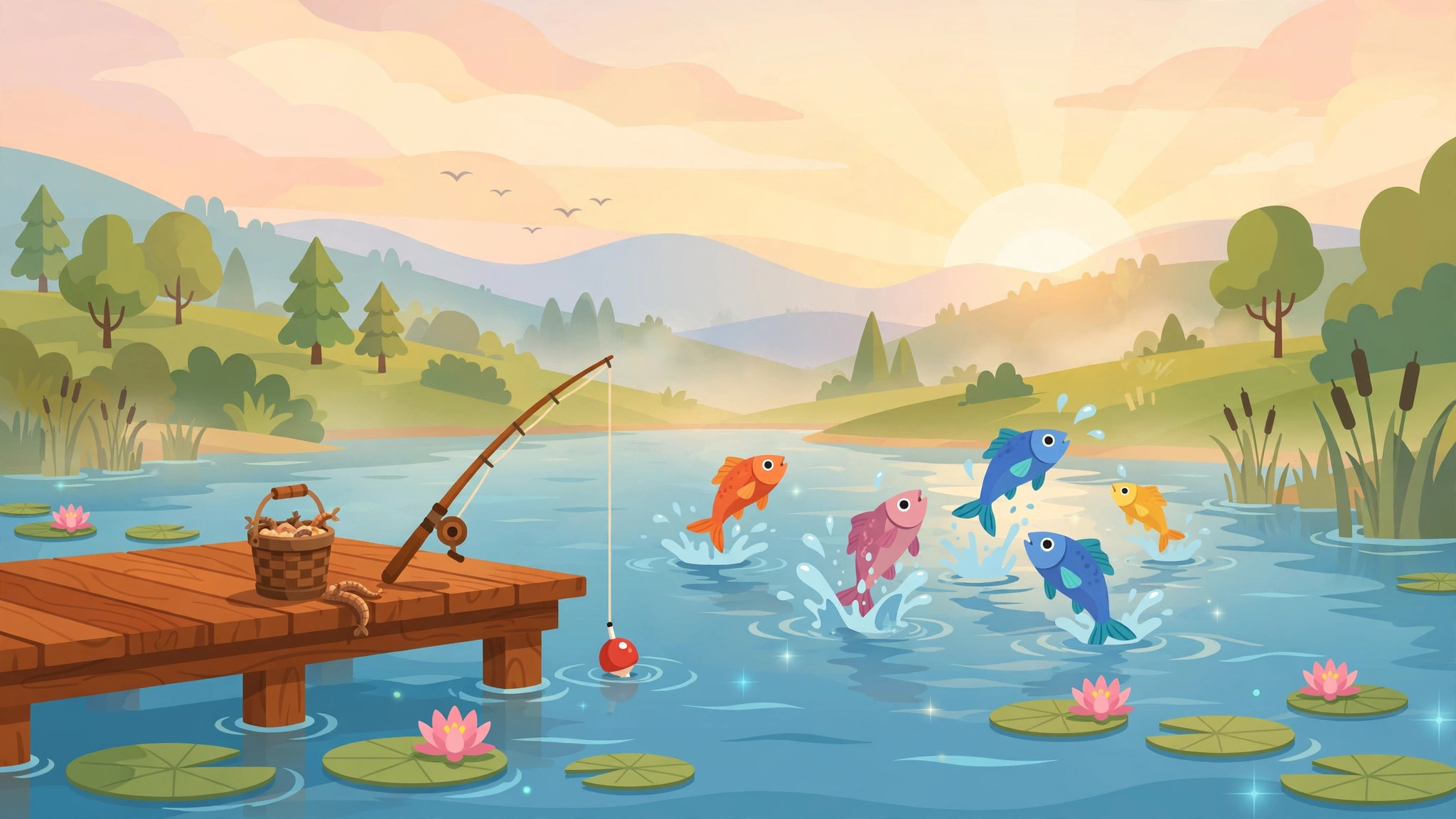
Ask a class to name their favourite Gimkit mode and Fishtopia wins an embarrassing number of votes. There is something deeply satisfying about a review game where the screen shows a peaceful lake, the pressure melts away, and every correct answer earns you another cast. Gimkit fishtopia turned studying into fishing — and students have never forgiven other homework for not being it.
This guide covers how Fishtopia plays, where the valuable fish hide, the strategy that fills a virtual creel fastest, and why teachers quietly love assigning it. It sits proudly in the platform’s family of Gimkit 2D modes, but it has a personality entirely its own.
how to play fishtopia
Learning how to play fishtopia takes one round. You explore a cheerful fishing world as your Gim, moving with the keyboard or the on-screen joystick. The loop is simple and meditative:
- Answer questions to earn bait — knowledge is literally your tackle. Correct answers keep your bait stocked; a dry spell of wrong answers leaves you watching the water.
- Cast your line at a fishing spot and wait for a bite — different spots and waters hold different fish.
- Land and sell your catch — fish are worth cash (toward the game’s goal) and your performance earns XP in this 2D mode, which feeds the wider GimBucks and cosmetics system.
That is the whole game, and its simplicity is the trick. There is no opponent body-checking you, no timer screaming — just a rhythm of question, cast, catch that students settle into like a trance. Hosts set the goal (often a cash target or a time limit), and the winner is whoever turns questions into the most valuable haul before the whistle.
Because the mode is solo-friendly, Fishtopia is also one of the few 2D modes available for homework — our Gimkit assignments guide shows how teachers send a fishing trip home as revision.
New players often ask about the social shape of the lake: you share the world with classmates, you can see each other fishing, but nobody can steal your catch or knock you out of the game. The competition lives entirely in the goal and the leaderboard — your haul against theirs — which makes Fishtopia competitive without ever being combative. For classes where head-to-head modes reliably produce one tears-before-bell incident a month, that design is not a limitation; it is the entire point.
Sessions also scale gracefully to whatever time you have. A ten-minute fish between lessons feels complete; a full-period expedition with exploration and shop decisions feels generous. Few modes wear both lengths this comfortably, and teachers planning around real timetables learn to treasure the ones that do.
fishtopia strategy
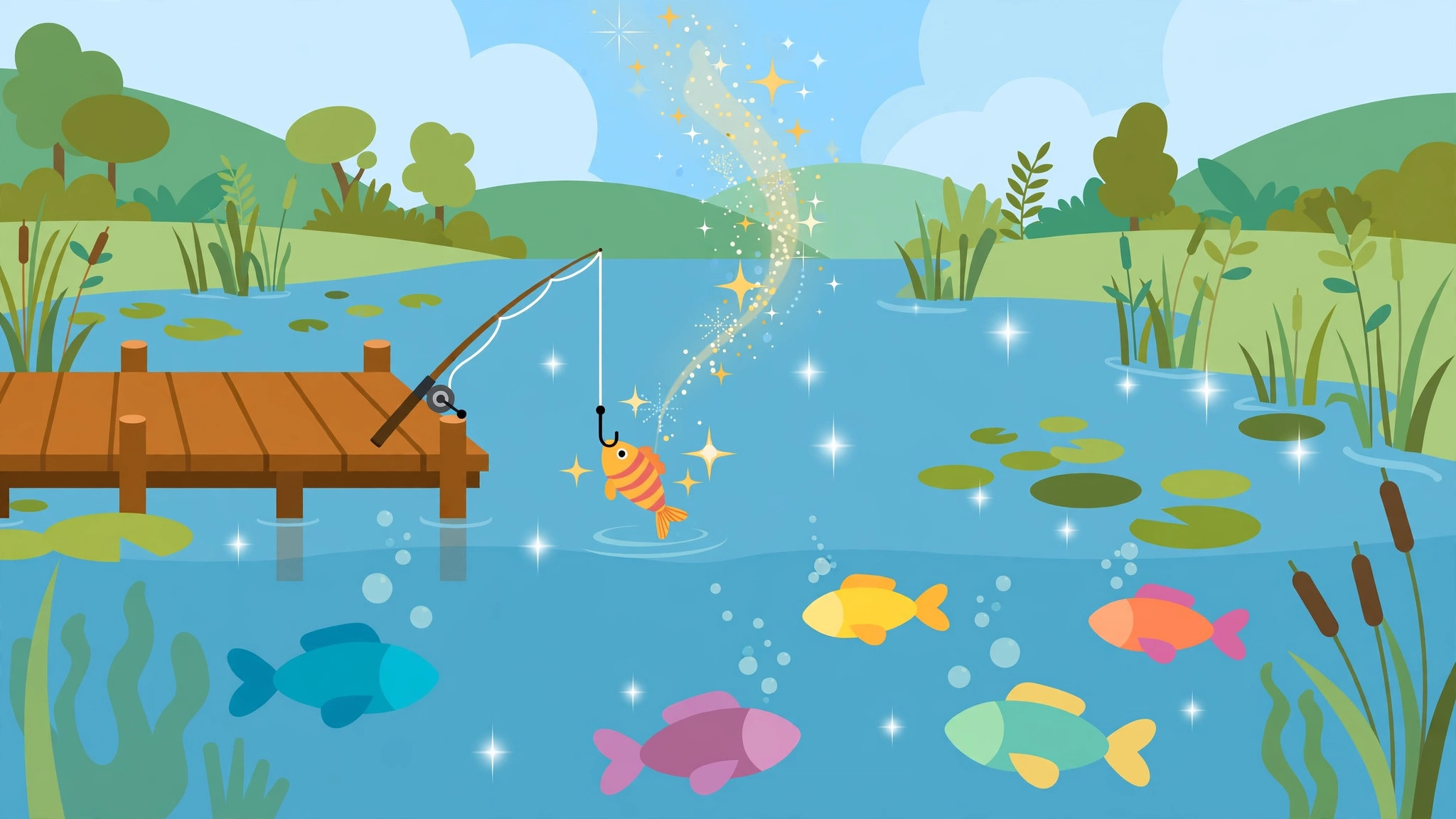
Good fishtopia strategy is mostly resource sense. Bait is time: every cast spends the earnings of your answers, so the players who thrive are the ones who treat questions as the main game and fishing as the reward, not the other way round.
The habits that separate the pros:
- Bank bait before exploring — answer a solid run of questions first so a string of empty casts never stalls you at zero.
- Move between spots — loitering at one dock forever yields the same modest fish. Exploring new water is how you find the zones where the valuable species live.
- Upgrade when the shop offers economy boosts — anything that improves your bait supply or catch value compounds across the whole game, exactly like Tycoon-mode investing.
- Keep a rhythm under time pressure — in timed games, frantic casting wastes the calm that makes Fishtopia efficient. Steady questions, steady casts, steady money.
And a mindset tip students resist until it wins them a game: a missed fish is not a disaster. The questions between casts are where the game is actually won, because they refill everything. Play the long game and the lake provides.
fishtopia best fish
Every angler wants to know about the fishtopia best fish — the rare, heavy, glorious catches worth many times the common tiddlers. Fishtopia’s fish come in tiers of rarity, and the highest tiers are worth serious cash, which is why one lucky cast can flip a leaderboard.
How the tiers behave, in practice:
- Common fish — everywhere, quick to catch, modest value. They keep the economy moving and teach the loop.
- Uncommon and rare fish — found as you explore further and fish better water; this is the working angler’s income.
- Epic and legendary-tier catches — the stuff of classroom legend: rare, valuable, and announced by the kind of reaction that makes the whole class look up from their screens.
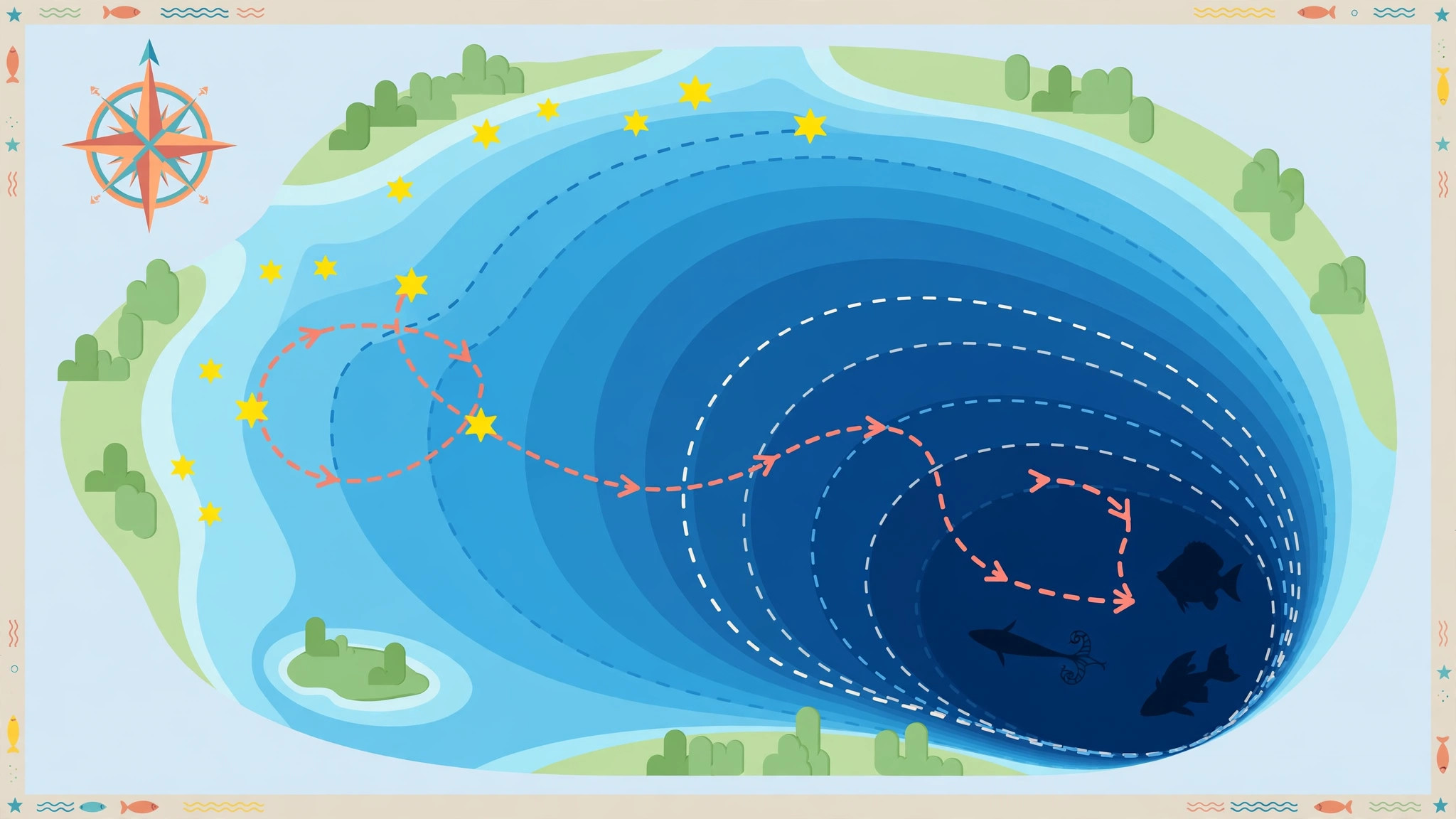
Because rarity follows location, the route to the best fish is exploration plus persistence, not a secret spot — anyone promising you a guaranteed legendary location is selling folklore. Fish the richer waters once your bait economy is healthy, rather than gambling your opening bait on a long hike across the map. And remember that even modest fish earn XP and keep your goal ticking; the grind is the game, pleasantly disguised as a day by the water.
gimkit fishing game
Calling Fishtopia a gimkit fishing game almost undersells what teachers use it for. Its calm has genuine classroom value: this is the mode for anxious classes, for the last period on a Friday, for students who find head-to-head modes stressful but still deserve game-based practice. The competition is mostly against your own previous haul, and the questions keep flowing regardless.
It is also a secret weapon for mixed-attainment groups. Strong students chase rare fish and cash goals; developing students enjoy a complete, satisfying game at their own pace — same questions, same room, no public losing. If your class contains both the leaderboard-obsessed and the quietly anxious, Fishtopia is frequently the answer to “which mode today?”
Cast your answers wisely
Bait comes from knowledge, the best fish live further out, and calm beats frantic over a full game. Teach your class those three ideas and Fishtopia becomes what it was always meant to be: the most relaxing revision session of the year that still, somehow, ends with everyone shouting about a fish.
For the official details on mode availability — free-plan featured modes rotate, while Pro unlocks everything — check the Gimkit Help Center. Next session, bank your bait first, then go hunting the deep water.

gimkit fishtopia in the classroom: calm games, real revision
Schedule gimkit fishtopia where its temperament helps most: the lesson after a test, the Friday wind-down, the class that needs a win. Because nobody gets knocked out, the room’s emotional floor stays high — the weakest player is still fishing at the final whistle, still answering, still in the story. Teachers rotating away from louder modes often report the same surprise: revision quality rises, because students who feel safe attempt harder questions instead of protecting themselves from embarrassment.
It also pairs beautifully with reading or quiet work. A gimkit fishtopia assignment running as the lesson’s second half lets early finishers drift to the lake while the rest complete the main task, keeping the room purposeful without inventing busywork. Few modes can hold a class’s attention that gently.
Introduce it with low ceremony: goals on the board, bait logic explained in one sentence, lines in the water within three minutes. Gimkit fishtopia teaches its own tutorial as you play — and the first rare fish of the day will do more for the mode’s reputation than anything you could say about it.
the lake as a reward economy: using fishtopia wisely
Used occasionally, a fishing session is the treat that makes the stricter formats bearable — students will endure a fierce test-mode week for a promised Friday on the water. Used weekly without variation, the treat inflates away and the lake becomes routine. Guard its specialness: tie sessions to milestones, keep goals cheerful, and let the mode remain the place where the class’s relationship with the subject gets repaired after hard chapters. Gimkit fishtopia is a renewable resource only if the teacher rations it like one — scarcity is what keeps a calm game feeling like a holiday rather than homework with better graphics.

patience training: the mode’s hidden curriculum
Fishing teaches waiting — cast, watch, tend, repeat — to a generation the internet trained to expect everything instantly. Students who rage-quit slow games in September sit contentedly through a long cast by spring, bobber watched, questions answered, because the lake calibrated their expectations minute by minute. It is the gentlest attention-training in the catalogue, disguised, like everything good here, as play.
One last practical tip: end fishing sessions with the catch of the day read aloud — the rarest haul, credited warmly. It costs ten seconds, and it is the moment the quietest student in the room will remember all week.
frequently asked questions
How do you get bait in Fishtopia? By answering questions correctly. Bait is the mode’s core resource, and knowledge is its only source — which is why a dry spell of wrong answers leaves you watching the water, and why accuracy quietly matters more than casting speed over a full game.
What is the rarest kind of fish worth chasing? The highest rarity tiers are worth many times a common catch, and they live further from the starting shore, in the richer waters exploration unlocks. Chase them once your bait supply is healthy; gambling your opening bait on a long trek is how promising sessions end at zero.
Can Fishtopia be played alone at home? Yes — it is one of the solo-friendly 2D modes, which is precisely why teachers can assign it as homework. Playing solo, the same loop applies: questions earn bait, bait becomes catches, and catches build toward the goal your teacher set.
Is Fishtopia competitive or co-operative? Peacefully competitive: everyone fishes the same world side by side, nobody can interfere with another player’s catch, and the winner is decided by the haul when the goal lands. It is the mode teachers pick when the class needs rivalry without a single snowball to the face.
