

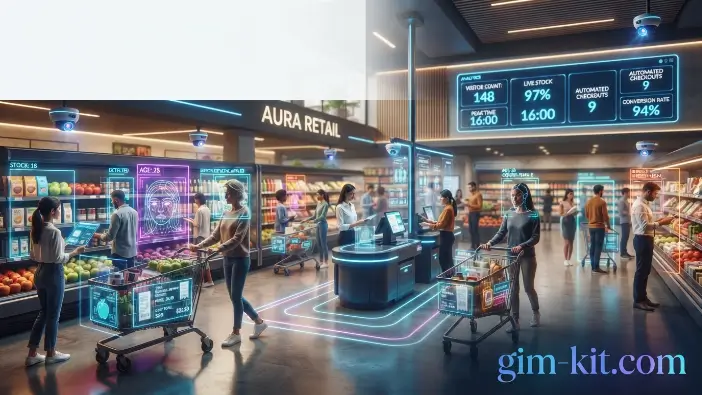
Welcome to Gimkit. Retail is evolving rapidly as businesses adopt advanced technologies to meet growing customer expectations and improve operational efficiency. Artificial intelligence (AI) has become one of the most influential innovations, helping retailers automate repetitive tasks, analyze customer behavior, and make smarter business decisions. Among these technologies, computer vision is leading the way by enabling machines to interpret images and videos with remarkable accuracy.
Understanding how ai powered computer vision can transform retail is essential for retailers looking to stay competitive in today’s digital marketplace. From monitoring inventory in real time to enabling cashier-less shopping and improving store security, AI-powered computer vision offers practical solutions that reduce costs while enhancing the overall shopping experience. This guide explains how the technology works, its key applications, and why it is becoming an essential investment for forward-thinking retailers.
What is AI-powered computer vision in Retail?
AI-powered computer vision is an advanced branch of artificial intelligence that enables computers to interpret, analyze, and understand images and video data in real time. In the retail industry, how ai powered computer vision can transform retail is demonstrated through intelligent systems that monitor store operations, recognize products, track inventory, analyze customer behavior, and improve security. Unlike traditional surveillance cameras that only record footage, AI-powered computer vision uses machine learning, deep learning, computer vision technology, and retail automation to generate actionable insights that help retailers increase efficiency, reduce costs, and deliver a more personalized shopping experience.
How Computer Vision Technology Works
Computer vision technology begins by capturing visual data through cameras installed throughout a retail store. The captured images and video are processed using artificial intelligence, machine learning, and deep learning algorithms that have been trained to recognize products, people, shopping carts, shelves, and other objects. These intelligent models analyze patterns, shapes, colors, and movements to identify what is happening in real time, allowing retailers to monitor operations with exceptional speed and accuracy.
Once the system identifies and classifies the visual data, it converts the information into meaningful business insights. This enables automated actions such as detecting empty shelves, identifying misplaced products, monitoring customer traffic, reducing theft, and optimizing checkout processes. As the AI continuously learns from new data, its detection accuracy improves over time, making how ai powered computer vision can transform retail a powerful solution for retailers seeking smarter decision-making, enhanced customer experiences, and more efficient store management.
How AI Powered Computer Vision Can Transform Retail Operations
Retail businesses are embracing AI-driven technologies to improve efficiency, reduce operational costs, and deliver exceptional customer experiences. Understanding how ai powered computer vision can transform retail helps retailers automate routine tasks, make data-driven decisions, and optimize every stage of the shopping journey. By combining computer vision technology, retail automation, AI-powered analytics, and machine learning, businesses can streamline operations, improve inventory accuracy, strengthen security, and create smarter retail environments that meet evolving consumer expectations.
Smart Inventory Management and Shelf Monitoring
Managing inventory manually can be time-consuming and prone to human error, especially for large retail stores with thousands of products. AI-powered computer vision simplifies this process by continuously monitoring shelves through intelligent cameras that use inventory management, object detection, and smart shelf technology to identify empty spaces, misplaced products, incorrect pricing labels, and low-stock items in real time. This allows store managers to respond quickly before inventory issues affect sales or customer satisfaction.
In addition to improving stock visibility, computer vision provides valuable insights into inventory trends and product availability across multiple store locations. Retailers can automate replenishment schedules, reduce overstocking and understocking, and minimize waste by using predictive analytics generated from visual data. As a result, businesses improve operational efficiency, lower labor costs, and maintain better product availability, making how ai powered computer vision can transform retail an essential strategy for modern inventory optimization.
Customer Behavior Analytics and Personalized Shopping
Understanding customer behavior is essential for creating engaging shopping experiences and increasing sales. AI-powered computer vision analyzes customer movements, shopping patterns, and interactions within the store using customer behavior analytics, shopper insights, and heat map analysis. These insights help retailers identify high-traffic areas, evaluate product placement, and understand which displays attract the most attention, allowing them to make informed merchandising decisions.
The collected data also enables retailers to deliver more personalized shopping experiences by tailoring promotions, optimizing store layouts, and improving customer service. By combining visual analytics with loyalty programs and purchasing history, businesses can recommend relevant products and create targeted marketing campaigns that resonate with individual shoppers. This data-driven approach enhances customer satisfaction, increases conversion rates, and demonstrates how ai powered computer vision can transform retail into a valuable tool for retail growth.
AI Powered Checkout and Frictionless Shopping
Long checkout lines remain one of the biggest challenges for retailers and customers alike. AI-powered computer vision addresses this issue by enabling smart checkout systems, cashierless technology, and automated payment solutions that recognize products without requiring traditional barcode scanning. Intelligent cameras and sensors track the items customers select throughout their shopping journey, allowing them to complete purchases quickly and conveniently with minimal staff intervention.
Beyond improving convenience, AI-powered checkout systems help retailers reduce operational costs and increase transaction accuracy. Automated product recognition minimizes scanning errors, shortens waiting times, and allows employees to focus on customer assistance rather than repetitive checkout tasks. As more retailers adopt frictionless shopping technologies, how ai powered computer vision can transform retail continues to demonstrate its ability to create faster, smarter, and more efficient retail experiences while improving overall customer satisfaction.
Read Also: Jobs that AI can’t replace
The Role of True Detection Technology in Modern Retail
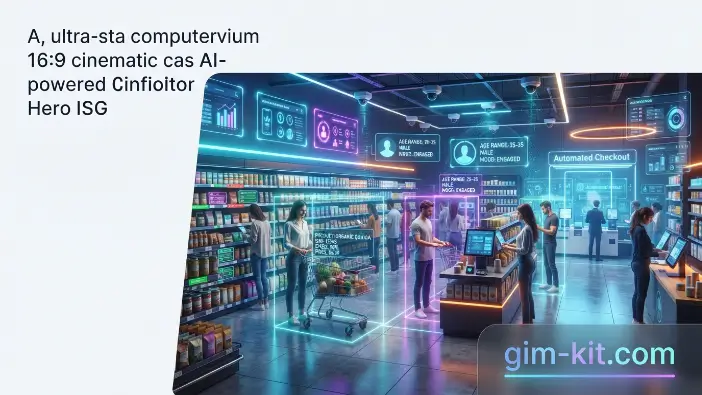
True detection technology is at the heart of modern AI-powered retail solutions, enabling businesses to make faster and more accurate decisions based on real-time visual data. Understanding how ai powered computer vision can transform retail highlights the importance of precise object recognition, customer tracking, and automated monitoring in today’s competitive retail environment. By leveraging real-time object detection, computer vision technology, artificial intelligence, and deep learning, retailers can improve operational efficiency, enhance customer experiences, and minimize costly errors across their stores.
Improving Accuracy With Real-Time Object Detection
Real-time object detection allows AI-powered computer vision systems to identify products, customers, shopping carts, and store activities instantly as they occur. Using object recognition, machine learning, and image analysis, the technology accurately distinguishes thousands of different products, even when items are partially hidden, moved, or viewed under varying lighting conditions. This level of precision enables retailers to maintain accurate inventory records, monitor shelf availability, and respond quickly to operational issues before they impact sales.
As AI models continuously learn from new visual data, their detection capabilities become increasingly reliable over time. Retailers benefit from fewer inventory discrepancies, reduced manual inspections, and faster decision-making based on real-time insights. By improving detection accuracy, how ai powered computer vision can transform retail and help businesses automate critical retail processes while delivering a smoother and more efficient shopping experience for customers.
Reducing Retail Theft and Improving Security
Retail theft continues to be a significant challenge for businesses, leading to inventory losses and reduced profitability. AI-powered computer vision addresses this issue by using retail security, AI surveillance, and behavior analysis to monitor customer activity continuously and identify suspicious behavior in real time. Instead of relying solely on traditional security cameras, intelligent detection systems can recognize unusual movements, unauthorized access, and potential shoplifting incidents, allowing security teams to respond more quickly and effectively.
Beyond theft prevention, AI-powered security systems improve overall store safety by monitoring restricted areas, identifying unattended objects, and generating automated alerts whenever unusual events occur. These proactive capabilities reduce false alarms while enhancing operational efficiency and protecting both customers and employees. As detection technology continues to evolve, how ai powered computer vision can transform retail, providing retailers with a smarter, more reliable approach to safeguarding assets and creating a secure shopping environment.
Benefits of AI Powered Computer Vision for Retail Businesses
Retailers are increasingly investing in AI-powered computer vision because it delivers measurable improvements across daily operations and long-term business performance. Understanding how ai powered computer vision can transform retail helps businesses leverage computer vision technology, AI-powered analytics, retail automation, and machine learning to improve efficiency, reduce operational costs, and enhance customer satisfaction. From smarter inventory management to automated checkout systems, AI-powered computer vision provides retailers with the tools needed to remain competitive in a rapidly evolving retail landscape.
| Benefit | Business Impact |
| Better inventory visibility | Fewer stock issues and improved product availability |
| Faster checkout | Improved customer experience with reduced waiting times |
| Better analytics | Data-driven decisions based on real-time customer and store insights |
| Reduced losses | Higher profitability through theft prevention and inventory accuracy |
| Automation | Lower operational costs by minimizing manual tasks and improving efficiency |
These benefits enable retailers to make informed business decisions while delivering a seamless shopping experience. By adopting AI-powered computer vision, businesses can streamline operations, increase employee productivity, optimize resource allocation, and strengthen customer loyalty. As AI technology continues to evolve, how ai powered computer vision can transform retail will remain a key driver of innovation, helping retailers build smarter, more efficient, and future-ready stores.
Real-World Examples of Computer Vision in Retail
The adoption of AI-powered computer vision is transforming the retail industry, with businesses around the world implementing intelligent solutions to improve efficiency, customer satisfaction, and profitability. Understanding how ai powered computer vision can transform retail becomes easier when examining real-world applications of computer vision technology, AI retail solutions, smart retail systems, and retail automation. From cashier-less stores to advanced inventory monitoring, leading retailers are using AI to create faster, safer, and more personalized shopping experiences.
Smart Stores Using AI Vision Systems
Smart stores use AI-powered computer vision to automate everyday retail operations and deliver a seamless shopping experience. Intelligent cameras and sensors monitor customer movements, recognize products, and track inventory in real time using computer vision technology, object detection, and smart checkout systems. These capabilities allow customers to pick up items and complete purchases with minimal interaction, reducing checkout queues while improving overall convenience.
In addition to enhancing customer experiences, AI vision systems help store managers optimize operations by monitoring shelf availability, detecting stock shortages, and analyzing shopper traffic patterns. The real-time insights generated by these systems support faster decision-making, reduce operational costs, and improve inventory accuracy. As more retailers adopt intelligent store technologies, how ai powered computer vision continues to demonstrate its value in creating efficient and data-driven retail environments.
Brands Using AI for Retail Innovation
Many global retail brands are integrating AI-powered computer vision into their operations to improve productivity and gain a competitive advantage. Retailers in the grocery, fashion, and e-commerce sectors use AI-powered analytics, inventory management, and customer behavior analysis to automate stock monitoring, optimize product placement, and deliver personalized shopping experiences. These technologies help businesses make smarter decisions while increasing operational efficiency.
Brands also leverage AI to strengthen security, reduce inventory losses, and improve demand forecasting through real-time visual data. By combining computer vision with advanced analytics, retailers can respond more effectively to changing customer preferences and market trends. These successful implementations clearly illustrate how ai powered computer vision can transform retail, enabling businesses to innovate, enhance customer satisfaction, and build future-ready retail operations.
Challenges of Implementing AI Computer Vision in Retail
While AI-powered computer vision offers significant advantages, retailers must also overcome several challenges to ensure successful implementation. Understanding how ai powered computer vision can transform retail involves recognizing potential obstacles related to computer vision technology, AI implementation, retail automation, and data security. Addressing these challenges through careful planning and strategic investment enables businesses to maximize the value of AI while maintaining operational efficiency and customer confidence.
Data Privacy and Customer Trust
One of the biggest concerns surrounding AI-powered computer vision is protecting customer privacy and maintaining trust. Since these systems continuously capture and analyze visual data, retailers must ensure they comply with data privacy regulations, AI ethics, and customer data protection standards. Businesses should clearly communicate how data is collected, processed, and stored while implementing strong security measures to prevent unauthorized access and misuse of sensitive information.
Building customer trust requires transparency and responsible AI practices. Retailers should anonymize personal data whenever possible, obtain necessary consent where required, and regularly review their privacy policies to comply with evolving regulations. By prioritizing ethical data management, businesses can confidently demonstrate how ai powered computer vision can transform retail without compromising customer privacy or damaging brand reputation.
Implementation Costs and Technical Challenges
Implementing AI-powered computer vision often requires a significant initial investment in hardware, software, and supporting infrastructure. Retailers must purchase high-quality cameras, computing equipment, and AI platforms while integrating these systems with existing inventory management, point-of-sale (POS) systems, and retail analytics solutions. These upfront costs can be challenging, particularly for small and medium-sized businesses with limited technology budgets.
Beyond financial investment, retailers may also face technical challenges such as system integration, employee training, and ongoing maintenance. AI models require regular updates and continuous monitoring to maintain high detection accuracy as products, store layouts, and customer behaviors change over time. By starting with pilot projects, partnering with experienced technology providers, and investing in staff training, businesses can overcome these challenges and fully realize how ai powered computer vision can transform retail into a scalable and long-term competitive advantage.
Best Practices for Retailers Adopting AI Vision Technology
Successfully implementing AI-powered computer vision requires careful planning, the right technology, and a clear business strategy. Retailers that understand how ai powered computer vision can transform retail can maximize the benefits of computer vision technology, AI implementation, retail automation, and machine learning by following proven best practices. A structured approach not only improves operational efficiency but also ensures a smooth transition while delivering measurable business results.
- Define clear business objectives: Identify the specific challenges you want AI-powered computer vision to solve, such as inventory management, customer analytics, theft prevention, or checkout optimization.
- Choose the right AI vision solution: Select a platform that aligns with your business size, budget, and operational requirements while offering scalability and seamless integration with existing retail systems.
- Start with a pilot project: Implement AI technology in a single store or department first to evaluate performance, identify potential issues, and measure return on investment before expanding across multiple locations.
- Invest in employee training: Ensure staff understand how to use AI-powered analytics, interpret insights, and manage computer vision systems effectively to maximize productivity and technology adoption.
- Prioritize data privacy and security: Follow industry regulations, implement strong cybersecurity measures, and maintain transparency about data collection practices to build customer trust and protect sensitive information.
- Continuously monitor and optimize performance: Regularly evaluate system accuracy, update AI models, analyze performance metrics, and refine workflows to ensure that AI-powered computer vision continues to transform retail and deliver long-term value and operational improvements.
Future Trends of AI Powered Computer Vision in Retail
As artificial intelligence continues to evolve, computer vision is expected to play an even greater role in shaping the future of retail. Businesses that understand how ai powered computer vision can transform retail will be better positioned to adopt emerging innovations that enhance operational efficiency, improve customer experiences, and drive sustainable growth. Advancements in computer vision technology, artificial intelligence, predictive analytics, and retail automation are enabling retailers to build smarter, more connected, and data-driven shopping environments.
- Greater adoption of autonomous stores: More retailers will introduce cashier-less and self-service stores powered by AI vision systems to deliver faster, frictionless shopping experiences.
- Predictive inventory management: AI will use predictive analytics and real-time visual data to forecast demand, optimize stock levels, and reduce inventory shortages and waste.
- Enhanced personalization: Computer vision will combine with customer data to deliver personalized product recommendations, targeted promotions, and customized in-store experiences.
- Edge AI for faster processing: Retailers will increasingly adopt Edge AI to process visual data directly on local devices, reducing latency and improving real-time decision-making.
- Advanced security and fraud detection: Future AI vision systems will provide more accurate behavior analysis, theft prevention, and automated security monitoring while minimizing false alerts.
- Integration with emerging technologies: AI-powered computer vision will work alongside technologies such as IoT, augmented reality (AR), and smart retail systems to create highly interactive, efficient, and innovative retail environments, further demonstrating how ai powered computer vision can transform retail for businesses worldwide.
Common Mistakes Retailers Should Avoid
Adopting AI-powered computer vision can deliver significant business benefits, but many retailers fail to achieve the desired results due to poor planning and execution. Understanding how ai powered computer vision can transform retail also means recognizing the common pitfalls that can reduce the effectiveness of computer vision technology, AI implementation, retail automation, and machine learning. Avoiding these mistakes helps businesses maximize return on investment, improve operational efficiency, and ensure long-term success.
- Implementing AI without clear objectives: Deploying computer vision technology without defining specific business goals often leads to poor results and wasted resources.
- Ignoring data privacy and compliance: Failing to follow data privacy regulations and ethical AI practices can damage customer trust and expose businesses to legal risks.
- Choosing the wrong technology provider: Selecting solutions that lack scalability, compatibility, or reliable support can create integration challenges and limit future growth.
- Neglecting employee training: Employees need proper training to understand AI-generated insights and operate computer vision systems effectively for maximum productivity.
- Relying on outdated or poor-quality data: AI models perform best with accurate and regularly updated data. Incomplete or low-quality datasets can reduce detection accuracy and decision-making reliability.
- Failing to monitor and optimize performance: Treating AI implementation as a one-time project instead of continuously evaluating system performance can prevent retailers from fully realizing how ai powered computer vision can transform retail and adapt to changing business needs.
Frequently Asked Questions
Why are retailers investing in AI-powered computer vision now?
Retailers are adopting AI-powered computer vision to improve operational efficiency, reduce manual work, and gain real-time insights that help them stay competitive in a rapidly evolving market.
Can small and medium-sized retailers benefit from how ai powered computer vision can transform retail linkedin true detection?
Yes. Many cloud-based AI solutions are scalable and affordable, allowing small and medium-sized retailers to implement computer vision without investing in expensive infrastructure.
Does AI-powered computer vision replace retail employees?
No. AI is designed to automate repetitive tasks and provide valuable insights, allowing employees to focus on customer service, problem-solving, and higher-value responsibilities.
How long does it take to implement a computer vision system in a retail store?
Implementation timelines vary depending on the store size and system complexity, but many retailers begin with pilot projects that can be deployed within a few weeks before expanding further.
What should retailers consider before choosing an AI computer vision solution?
Retailers should evaluate their business goals, integration requirements, scalability, data security measures, and vendor support to ensure the solution meets their long-term operational needs.
Conclusion
As the retail industry continues to embrace digital transformation, AI-powered computer vision is becoming a key technology for improving efficiency, enhancing customer experiences, and driving business growth. From intelligent inventory management and real-time object detection to personalized shopping and advanced security, the applications of computer vision technology, artificial intelligence, retail automation, and machine learning are reshaping how modern retailers operate.
Understanding how ai powered computer vision can transform retail enables businesses to make smarter, data-driven decisions while reducing operational costs and increasing profitability. By adopting the right AI vision solutions, addressing implementation challenges, and following industry best practices, retailers can build future-ready stores that deliver seamless shopping experiences and maintain a strong competitive advantage in an increasingly technology-driven marketplace.
