

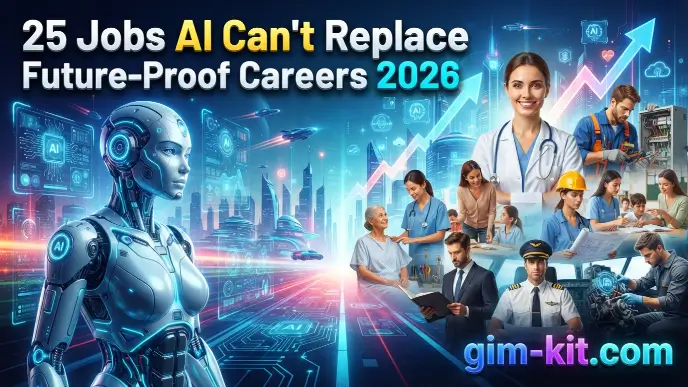
Artificial intelligence is transforming industries faster than ever before. From automating repetitive tasks to improving business decisions, AI is changing how people work and what skills are valuable in the modern economy. As automation continues to grow, many people are searching for the jobs that ai can’t replace and wondering which careers will remain secure in the future.
Although AI can perform many tasks efficiently, it still lacks human emotions, creativity, empathy, and real-world judgment. Careers that depend on personal relationships, complex decision-making, leadership, and hands-on expertise are much harder to automate. The future of work will not only belong to people who compete with AI but also to those who learn how to use AI while strengthening their uniquely human abilities.
Why Some Jobs Cannot Be Replaced by AI
As artificial intelligence continues to transform industries, many people wonder which careers will remain secure in the future. While AI can automate repetitive tasks, analyze massive amounts of data, and improve efficiency, it still has important limitations. The jobs that ai can’t replace are those that rely on uniquely human qualities such as empathy, creativity, ethical judgment, and complex decision-making. These roles require emotional understanding, adaptability, and real-world experience that machines cannot genuinely replicate. As technology evolves, professionals who strengthen these human abilities will continue to have a significant advantage in the workplace.
Human Emotion and Empathy Are Difficult for AI
One of the biggest reasons many jobs that ai can’t replace continue to thrive is that artificial intelligence cannot truly understand or experience human emotions. Although AI can recognize emotional patterns and respond using programmed language, it does not feel compassion, empathy, or genuine concern. Careers that depend on emotional intelligence, trust, and personal relationships require a level of human connection that technology simply cannot provide.
Healthcare professionals, therapists, teachers, social workers, and caregivers build meaningful relationships by listening, encouraging, and supporting people during difficult moments. These professions require patience, kindness, and the ability to understand emotions beyond words. While AI can assist these professionals with information and administrative tasks, it cannot replace the authentic human interaction that defines these human-centered careers.
Creativity and Original Thinking Still Require Humans
Creativity is another major reason why many jobs that ai can’t replace will remain valuable in the future. AI can generate articles, artwork, music, and designs by learning from existing data, but it cannot produce truly original ideas based on personal experiences, emotions, or imagination. Human creativity is influenced by culture, memories, and individual perspectives, making every creative work unique.
Professionals such as writers, designers, filmmakers, architects, and artists rely on creative thinking to solve problems and develop innovative ideas. They combine knowledge with intuition and emotion to create meaningful experiences that connect with audiences. While AI can speed up the creative process, it serves as a tool rather than a replacement for genuine human creativity and innovation.
Complex Decision-Making Needs Human Judgment
Many jobs that ai can’t replace involve situations where there is no single correct answer. Leaders, doctors, judges, lawyers, and business executives often face decisions that require balancing ethics, emotions, risks, and long-term consequences. Although AI can provide valuable insights and recommendations, it cannot fully understand human values or accept responsibility for important decisions.
Human judgment depends on experience, critical thinking, and the ability to evaluate unique situations that may not follow predictable patterns. Professionals who demonstrate strong critical thinking skills and sound judgment can adapt to changing circumstances while considering both facts and human impact. As workplaces become more technology-driven, these decision-making skills will become even more valuable because they represent capabilities that artificial intelligence cannot fully replace.
Read Also: will ai replace lawyers
25 Jobs That AI Can’t Replace
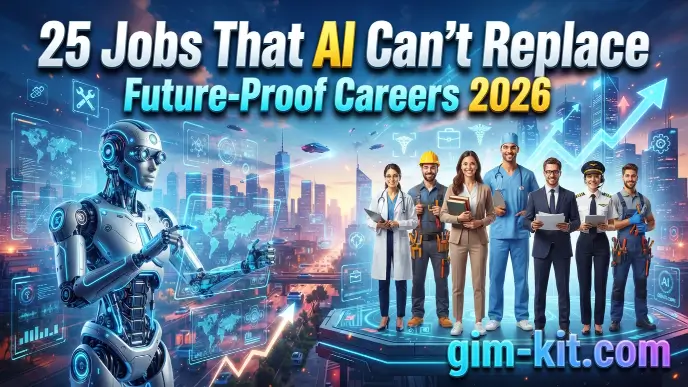
The rapid growth of artificial intelligence has changed the way people think about careers, automation, and the future of work. However, not every profession can be easily replaced by machines. The jobs that ai can’t replace usually depend on human abilities such as empathy, creativity, leadership, physical skills, and complex problem-solving. These careers require personal interaction, emotional understanding, and real-world experience that AI systems cannot fully reproduce. Many of these future-proof careers will continue to provide valuable opportunities as technology advances.
Doctors and Healthcare Professionals
Doctors and healthcare professionals are among the most important jobs that ai can’t replace because medical care requires more than analyzing information. AI can assist with detecting diseases, reviewing medical records, and suggesting possible treatments, but doctors must still make final decisions based on patient needs, emotions, and individual circumstances.
Healthcare professionals rely on human judgment and empathy to build trust with patients. They must explain difficult medical conditions, provide emotional support, and make ethical decisions during critical situations. While AI will continue improving healthcare, the human connection between doctors and patients will remain essential.
Nurses and Caregivers
Nurses and caregivers are among the most important jobs that ai can’t replace because they provide physical assistance, emotional support, and personal care that technology cannot fully duplicate. These professionals work closely with patients and can recognize small changes in behavior, emotions, or health conditions that require human observation, experience, and professional judgment.
The true value of nursing comes from compassionate care and meaningful personal interaction. AI tools may help monitor patients, organize medical information, or improve healthcare efficiency, but they cannot replace the kindness, patience, empathy, and emotional support that caregivers provide every day. These healthcare careers will continue to remain essential because they depend on genuine human connection.
Teachers and Educators
Teachers play a crucial role in shaping students’ knowledge, confidence, and personal growth, making education one of the jobs that ai can’t replace. Although AI can provide learning resources, answer questions, and create personalized study materials, it cannot replace the encouragement, mentorship, and inspiration that human educators provide. Teachers do more than deliver information; they guide students, understand their struggles, and help them develop important life skills.
Teaching requires emotional intelligence to recognize different learning styles, identify student challenges, and create a supportive learning environment. Great teachers motivate students, build self-confidence, and develop meaningful relationships that go beyond basic education. While AI may improve the learning process, the human connection and mentorship offered by educators will always remain valuable.
Therapists and Mental Health Professionals
Therapists and mental health professionals are among the jobs that ai can’t replace because their work depends on trust, communication, and a deep understanding of human emotions. While AI may provide basic mental health assistance, professional therapy requires genuine human connection, active listening, and the ability to understand complex personal experiences that differ from person to person.
These professionals use psychological expertise and empathy to help individuals overcome challenges, manage emotions, and improve their overall well-being. The relationship between a therapist and client is built on trust, compassion, and emotional understanding, making it one of the strongest examples of a human-centered career that remains difficult for AI to automate completely.
Skilled Trades Workers
Skilled trades workers, including electricians, plumbers, mechanics, and repair specialists, are among the jobs that ai can’t replace because their work requires hands-on experience, physical adaptability, and real-world problem-solving. Every workplace environment presents unique challenges that cannot always be predicted or handled effectively by AI systems. These professionals must respond to unexpected situations and apply practical knowledge developed through years of experience.
These careers depend on practical problem-solving skills and technical expertise to inspect situations, make quick decisions, and create effective solutions in changing environments. While automation may assist with certain tasks, skilled workers provide the flexibility, judgment, and physical abilities needed to complete complex jobs where technology may struggle. These automation-resistant careers will continue to remain valuable as industries evolve.
Entrepreneurs and Business Leaders
Entrepreneurs and business leaders are among the jobs that ai can’t replace because they create visions, identify opportunities, and make strategic decisions based on experience, intuition, and human understanding. Although AI can analyze market trends, predict patterns, and provide recommendations, it cannot replace human ambition, creativity, and the ability to lead people through uncertainty.
Successful entrepreneurs use strategic thinking to manage challenges, inspire teams, and develop innovative ideas that drive business growth. Building a company requires creativity, risk-taking, emotional intelligence, and a deep understanding of customer behavior. These future-proof careers will continue to depend on human leadership because great businesses are built through relationships, vision, and decision-making.
Creative Professionals
Creative professionals such as writers, designers, filmmakers, and content creators are among the jobs that ai can’t replace because their work depends on imagination, personal experiences, and the ability to express unique ideas. While AI can generate creative outputs, human creativity comes from emotions, cultural understanding, memories, and individual perspectives that make each piece of work meaningful and original.
These careers require original thinking and storytelling abilities that help people connect emotionally with ideas, brands, and messages. AI can support creative processes by improving efficiency and generating suggestions, but humans remain the driving force behind innovation, artistic expression, and creative problem-solving that creates lasting impact.
Lawyers and Legal Professionals
Lawyers and legal professionals are among the jobs that ai can’t replace because their work involves complex situations related to human rights, ethics, negotiations, and social issues. Although AI can assist with legal research, document preparation, and reviewing information, it cannot fully replace the human reasoning, communication, and judgment required in legal practice.
Legal professionals use critical thinking skills to interpret laws, understand unique circumstances, negotiate effectively, and represent clients in challenging situations. Making fair and responsible legal decisions requires experience, ethical understanding, and awareness of human behavior. These legal careers will continue to rely on human expertise because justice requires more than information processing—it requires judgment and responsibility.
Social Workers
Social workers are among the jobs that ai can’t replace because they support individuals, families, and communities facing difficult life situations. Their work requires understanding personal struggles, connecting people with essential resources, and building trust with vulnerable individuals. While AI can help organize information and streamline administrative tasks, it cannot provide the empathy and genuine human connection that social workers offer.
These professionals rely on emotional awareness and strong communication skills to guide people through challenges such as poverty, family conflict, mental health issues, and crisis situations. Their ability to listen, understand, and provide compassionate support makes a lasting difference in people’s lives. As a result, these human-centered careers will continue to remain essential despite advances in artificial intelligence.
Managers and Team Leaders
Managers and team leaders are among the jobs that ai can’t replace because effective leadership requires understanding people, solving conflicts, and creating productive work environments. While AI can analyze data, track performance, and provide recommendations, it cannot fully understand employee emotions, motivations, and individual needs. Human leaders play an important role in guiding teams toward shared goals.
Successful managers use leadership skills to make informed decisions, encourage collaboration, support employees, and handle workplace challenges. Great leadership requires communication, emotional intelligence, and the ability to inspire others. As organizations continue adopting AI technology, human leaders will remain essential for managing people and building strong workplace cultures.
Scientists and Researchers
Scientists and researchers are among the jobs that ai can’t replace because they explore new ideas, solve complex problems, and make discoveries that shape the future. Although AI can process large amounts of data, identify patterns, and assist with research analysis, it cannot replace human curiosity, imagination, and the ability to create entirely new concepts.
Scientific research requires innovation skills and the ability to ask meaningful questions that lead to discoveries. Scientists combine knowledge, creativity, critical thinking, and experimentation to develop new solutions for complex challenges. While AI can accelerate the research process, human insight and creativity remain essential for advancing science and technology.
Marketing and Brand Strategists
Marketing and brand strategists are among the jobs that ai can’t replace because successful marketing requires understanding consumer behavior, emotions, and cultural trends. Although AI can analyze customer data, identify patterns, and optimize campaigns, it cannot fully understand human feelings or create authentic connections between brands and audiences.
Marketers use consumer psychology and creative storytelling to develop campaigns that influence decisions and build brand loyalty. Human insight, imagination, and emotional understanding remain essential for creating powerful marketing strategies. As AI continues to support marketing tasks, professionals who combine technology with creative thinking will remain valuable in the industry.
Sales Professionals
Sales professionals are among the jobs that ai can’t replace because successful sales depend on building relationships, understanding customer needs, and creating trust. While AI can automate certain sales processes, analyze customer data, and provide recommendations, it cannot fully replace the human connection required to understand emotions, concerns, and individual preferences.
Successful salespeople use relationship-building skills to communicate effectively, negotiate, persuade, and provide personalized solutions based on each customer’s situation. Strong sales performance requires empathy, active listening, and the ability to adapt conversations naturally. These human-centered careers will continue to remain valuable because customers often prefer genuine interactions and trusted relationships when making important decisions.
Emergency Responders
Emergency responders such as firefighters, paramedics, and rescue workers are among the jobs that ai can’t replace because they operate in unpredictable environments where quick decisions, physical skills, and human judgment are essential. These professionals often face dangerous situations where conditions can change instantly, requiring flexibility, courage, and the ability to respond effectively under pressure.
These careers depend on situational awareness and strong decision-making skills to protect lives during emergencies. Although AI can provide support through data analysis, alerts, and predictive tools, it cannot replace the human instincts, bravery, and adaptability required in critical situations. Emergency responders will continue to play a vital role because their work requires real-time human action and compassion.
Skilled Construction Workers
Skilled construction workers are among the jobs that ai can’t replace because they handle complex projects that require physical skills, planning, and real-world problem-solving. Every construction site has unique conditions, unexpected challenges, and safety concerns that require human adaptability and experience. While AI and automation can assist with certain tasks, they cannot fully replace workers who must make practical decisions in changing environments.
These professionals use technical expertise and hands-on knowledge to manage challenges, operate equipment, and complete specialized tasks safely. Construction work requires coordination, precision, and the ability to respond to situations that cannot always be predicted by technology. These automation-resistant careers will remain valuable because they combine physical abilities with human judgment and practical skills.
Human Resource Professionals
Human resource professionals are among the jobs that ai can’t replace because they manage workplace relationships, recruitment, employee development, and organizational culture. Although AI can assist with resume screening, data analysis, and administrative tasks, it cannot fully understand human emotions, workplace dynamics, or the personal needs of employees.
Their role requires people management skills to create positive work environments, resolve conflicts, support employees, and build strong company cultures. HR professionals use communication, empathy, and human judgment to make decisions that affect people and organizations. These human-centered careers will continue to remain important as businesses focus on creating healthier and more productive workplaces.
Coaches and Trainers
Coaches and trainers are among the jobs that ai can’t replace because they help people improve their skills, performance, confidence, and personal growth. While AI can provide training materials, track progress, and offer suggestions, it cannot fully replace the encouragement, motivation, and personal guidance that human coaches provide.
These roles require mentoring abilities and emotional connection to understand individual strengths, challenges, and goals. Effective coaches use communication, observation, and feedback to inspire improvement and build confidence. These human-centered careers will continue to remain valuable because personal development depends heavily on trust, motivation, and meaningful human interaction.
Judges and Ethical Decision Makers
Judges and ethical decision makers are among the jobs that ai can’t replace because their work involves making decisions that directly affect people’s lives. Although AI can assist with analyzing legal information and reviewing evidence, judges must consider human circumstances, social factors, and the broader impact of their decisions.
Their role depends on ethical reasoning and fairness, which require human understanding, responsibility, and careful judgment. Judges must interpret laws, evaluate complex situations, and balance different perspectives before reaching decisions. These justice-related careers will remain essential because they require accountability, moral awareness, and the ability to understand the human side of every case.
Public Relations Specialists
Public relations specialists are among the jobs that ai can’t replace because they manage communication, reputation, and relationships between organizations and the public. While AI can help analyze public responses, monitor trends, and automate certain communication tasks, it cannot fully understand human emotions, social situations, or the complexities of public perception.
These professionals rely on communication expertise to handle crises, develop effective strategies, and build trust with audiences. Successful public relations requires emotional awareness, creativity, and the ability to respond appropriately in changing situations. These communication-focused careers will continue to depend on human skills because reputation management requires empathy, judgment, and authentic connections.
Artists and Performers
Artists and performers are among the jobs that ai can’t replace because they create emotional experiences through music, acting, visual arts, and entertainment. Although AI can generate artwork, music, and digital content, true artistic expression comes from human emotions, personal experiences, cultural backgrounds, and unique perspectives that shape meaningful creative work.
Their careers depend on personal expression and creativity that allow them to connect with audiences on an emotional level. Artists and performers use imagination, storytelling, and lived experiences to create powerful messages and memorable experiences. While AI can support the creative process, humans remain the source of authentic inspiration and creative innovation that continues to influence culture and society.
Cybersecurity Experts
Cybersecurity Experts
Cybersecurity experts are among the jobs that ai can’t replace because they protect organizations from constantly evolving digital threats and security challenges. Although AI can help detect suspicious activity, analyze risks, and improve threat monitoring, human experts are still needed to develop security strategies, investigate complex attacks, and make critical decisions.
This field requires adaptive problem-solving and continuous learning because cyber threats change rapidly and often require creative solutions. Cybersecurity professionals must understand attacker behavior, respond quickly to emergencies, and design effective protection systems. These technology-focused careers will continue to depend on human expertise because security requires judgment, innovation, and the ability to adapt to unpredictable situations.
AI Specialists and Engineers
AI specialists and engineers are among the jobs that ai can’t replace because they are responsible for creating, improving, and managing the artificial intelligence systems that are transforming industries. While AI can perform many automated tasks, it still requires human experts to design algorithms, develop solutions, and ensure that these technologies work effectively and responsibly.
These professionals combine technical knowledge with creativity and problem-solving abilities to build innovative AI applications. They must understand complex challenges, improve existing systems, and make decisions about how AI should be developed and used. These technology-driven careers will continue to grow because the future of artificial intelligence depends on skilled humans who can guide and advance the technology.
Skilled Chefs
Skilled chefs are among the jobs that ai can’t replace because they create unique dining experiences by combining flavors, creativity, cultural knowledge, and personal expertise. Although AI can suggest recipes, analyze ingredients, and provide cooking ideas, it cannot fully understand human taste, emotions, and the artistic decisions that make a meal memorable.
Cooking requires creative expertise and personal expression to develop new dishes, adapt recipes, and create meaningful experiences for guests. Chefs use intuition, cultural understanding, and hands-on skills to bring their ideas to life. These creative careers will continue to remain valuable because food is not only about ingredients—it is also about human creativity, tradition, and connection.
Psychologists
Psychologists are among the jobs that ai can’t replace because they study human behavior and help people improve their mental well-being through trust, communication, and emotional understanding. Although AI can analyze patterns and provide general information, it cannot fully understand personal experiences, emotions, and the complex factors that influence human behavior.
Psychologists use behavioral knowledge and empathy to support individuals, identify challenges, and provide meaningful guidance. Their work requires active listening, professional judgment, and the ability to build strong relationships with clients. These mental health careers will continue to depend on human expertise because emotional support and personal connection are essential parts of psychological care.
Religious and Community Leaders
Religious and community leaders are among the jobs that ai can’t replace because they provide guidance, support, and connection within communities. Their role depends on building meaningful relationships, understanding people’s experiences, and offering support based on shared values, traditions, and personal interactions. While AI can provide information, it cannot replace the trust and emotional connection developed between community leaders and the people they serve.
These roles require human connection skills and the ability to inspire, comfort, and guide individuals through different stages of life. Community leaders use empathy, communication, and cultural understanding to strengthen relationships and bring people together. These people-focused careers will continue to remain valuable because they depend on genuine human interaction, compassion, and shared experiences.
Skills That Make You More Valuable Than AI
As artificial intelligence continues to transform workplaces, developing the right skills has become essential for long-term career success. While AI can automate many technical and repetitive tasks, human abilities such as empathy, creativity, leadership, and collaboration remain difficult to replace. People who focus on building these skills will have a stronger advantage in the future job market and will be better prepared for the jobs that ai can’t replace. These future-proof skills help professionals work effectively alongside AI instead of competing against it.
Develop Emotional Intelligence
Emotional intelligence is one of the most valuable skills that AI cannot fully replicate. It involves understanding emotions, communicating effectively, showing empathy, and building strong relationships with others. Professionals with high emotional intelligence can handle difficult conversations, support teams, and create trust in personal and professional environments.
Developing emotional intelligence skills helps people succeed in careers that require human interaction, such as healthcare, education, leadership, and customer service. AI may recognize patterns in emotions, but humans can understand feelings through personal experiences and respond with genuine compassion.
Improve Creativity and Innovation
Creativity and innovation are essential skills that help people generate new ideas, solve complex problems, and discover better solutions. Although AI can produce suggestions and analyze existing information, human creativity comes from imagination, personal experiences, and the ability to think beyond available data.
Improving creative thinking skills allows professionals to develop unique strategies, create original products, and adapt to changing situations. Businesses and organizations will continue to value people who can bring fresh perspectives and innovative ideas that technology alone cannot create.
Learn AI Instead of Competing Against It
Instead of viewing AI as a threat, professionals should learn how to use artificial intelligence as a tool to improve productivity and performance. Understanding AI technology can help workers automate repetitive tasks, analyze information faster, and make better decisions.
Learning AI literacy skills can provide a competitive advantage in almost every industry. The future will not only belong to people who understand technology but also to those who know how to combine AI capabilities with human creativity, judgment, and expertise.
Strengthen Leadership and Collaboration Skills
Leadership and collaboration are essential skills that help teams achieve goals and overcome challenges. AI can provide data and recommendations, but it cannot inspire people, resolve conflicts, or create strong human relationships within organizations.
Building leadership skills helps professionals motivate teams, communicate effectively, and make strategic decisions. As workplaces continue to adopt AI, people who can lead, collaborate, and manage human relationships will remain highly valuable in the evolving job market.
Jobs Most Likely to Be Changed by AI
While many discussions focus on the jobs that ai can’t replace, it is also important to understand that artificial intelligence will significantly change many existing careers. In most cases, AI is not replacing entire professions but transforming the way people perform their daily tasks. Repetitive activities, data processing, and routine operations are more likely to become automated, allowing workers to focus on higher-value responsibilities that require creativity, judgment, and human interaction.
| Job Area | AI Impact | Future Outlook |
| Data Entry | High automation | Requires new skills and technology knowledge |
| Customer Support | Partial automation | Human support remains important for complex issues |
| Content Writing | AI assistance | Creativity, expertise, and original ideas become more valuable |
| Accounting | Automation increases | Strategic financial roles continue to grow |
How to Prepare for an AI-Proof Career
The rise of artificial intelligence does not mean that humans will become less valuable. Instead, it highlights the importance of developing skills that technology cannot easily replace. Preparing for an AI-proof career means combining human abilities with modern technology to remain competitive in a changing job market. People who focus on creativity, communication, adaptability, and continuous improvement will be better prepared for the future of work and the jobs that ai can’t replace.
Step 1: Identify Human Skills You Already Have
The first step toward building an AI-proof career is understanding the skills that make you unique. Human abilities such as communication, creativity, empathy, leadership, and problem-solving are valuable because they require emotional understanding and personal experience.
Start by identifying your strongest human skills and consider how they can be applied in your career. Ask yourself questions such as: Am I good at working with people? Can I solve complex problems? Do I enjoy creating new ideas? Understanding your strengths will help you choose career paths where human abilities remain important.
Step 2: Learn AI Tools Related to Your Industry
Instead of avoiding artificial intelligence, professionals should learn how to use AI tools that can improve their productivity and performance. AI knowledge is becoming valuable across almost every industry, from healthcare and education to marketing and business.
Learning AI technology skills can help you automate repetitive tasks, analyze information faster, and make better decisions. The most successful professionals in the future will likely be those who combine industry expertise with the ability to work effectively alongside AI.
Step 3: Build Experience and Practical Knowledge
Practical experience is one of the strongest advantages humans have over AI. Real-world situations often involve unexpected challenges that require flexibility, judgment, and problem-solving.
Focus on gaining hands-on experience through projects, internships, professional training, or real workplace opportunities. Practical knowledge helps you develop the ability to apply skills in unpredictable situations where AI may not provide complete solutions.
Step 4: Continue Learning New Skills
The workplace will continue changing as technology advances, making continuous learning essential for long-term career growth. Professionals who regularly improve their skills will have better opportunities to adapt to new challenges.
Developing lifelong learning habits allows you to stay updated with industry trends, improve your expertise, and remain competitive. Whether learning new technology, improving communication, or developing leadership abilities, continuous growth is one of the best ways to prepare for the future of work.
Common Mistakes People Make About AI and Jobs
Many people misunderstand how artificial intelligence will affect the workplace and assume that AI will completely replace most human jobs. In reality, AI is more likely to change the way people work by automating certain tasks while increasing the value of human skills such as creativity, communication, leadership, and problem-solving. Understanding these changes can help professionals prepare for the future instead of fearing technology.
- Believing AI will replace every job: Many people assume that artificial intelligence will eliminate all careers, but most jobs will continue to require human judgment, creativity, and emotional understanding.
- Ignoring the importance of human skills: Skills like emotional intelligence, communication, teamwork, and leadership remain valuable because AI cannot fully replicate human relationships and decision-making.
- Refusing to learn AI tools: Avoiding AI technology can create disadvantages. Professionals who learn how to use AI effectively can improve productivity and stay competitive in their industries.
- Thinking technical skills are the only important skills: While technology knowledge is useful, soft skills such as problem-solving, adaptability, and creativity are equally important for long-term career success.
- Assuming AI works without human guidance: AI systems require human input, supervision, and decision-making to produce accurate and responsible results.
- Focusing only on job replacement instead of job transformation: Many careers will evolve rather than disappear. Workers who adapt and develop new skills will find new opportunities in the changing job market.
Frequently Asked Questions
Will artificial intelligence completely eliminate human jobs in the future?
No, artificial intelligence is more likely to transform jobs rather than remove all human roles. Many careers will evolve by combining human expertise with advanced technology.
What skills will help people succeed in an AI-driven workplace?
Skills such as adaptability, communication, creativity, problem-solving, and technological awareness will help professionals remain competitive as industries continue to change.
Can small businesses benefit from using artificial intelligence?
Yes, small businesses can use AI to improve efficiency, understand customers better, automate routine tasks, and make smarter decisions with limited resources.
How can students prepare for careers affected by AI?
Students should focus on developing both technical knowledge and human abilities, including critical thinking, teamwork, creativity, and continuous learning habits.
Which industries will benefit most from human-AI collaboration?
Industries such as healthcare, education, technology, business, and creative fields can gain significant benefits by combining AI capabilities with human experience and expertise.
Conclusion
The rise of artificial intelligence is changing the way people work, but it does not mean that humans will become unnecessary. Many jobs that ai can’t replace depend on qualities such as empathy, creativity, leadership, problem-solving, and emotional understanding. While AI can improve efficiency and automate repetitive tasks, human skills remain essential for making decisions, building relationships, and creating meaningful solutions.
The future of work will belong to people who learn how to collaborate with AI instead of competing against it. By developing future-ready skills, gaining industry knowledge, and adapting to new technologies, professionals can build successful careers in an evolving job market. AI will continue to transform industries, but human creativity and expertise will remain the foundation of innovation and progress.
