

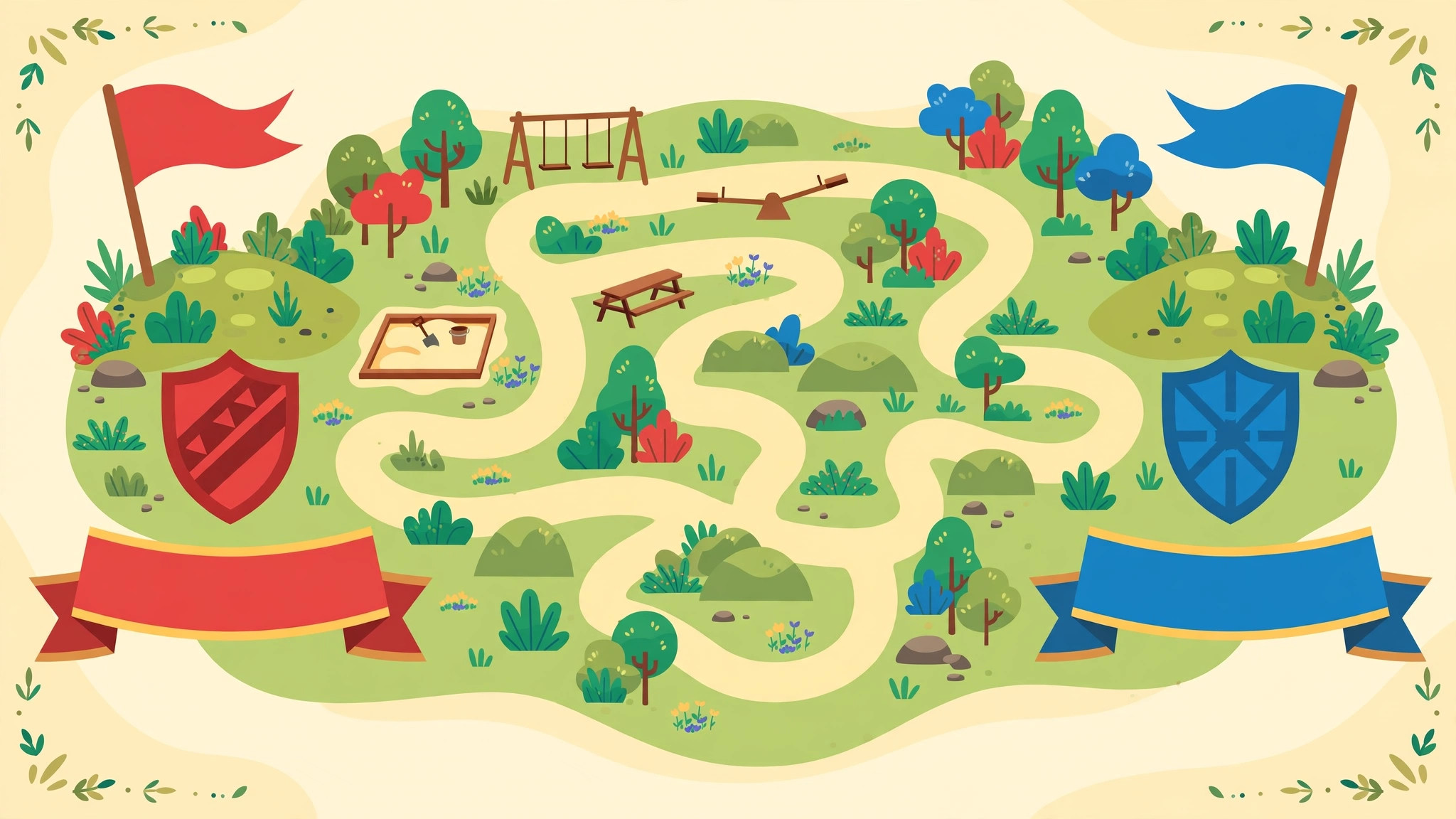
Every playground knows capture the flag; Gimkit capture the flag rebuilds it as a classroom team sport where the ammunition is — as always — correct answers. Two teams, two flags, one map, and a class full of students suddenly discovering the meaning of the word “formation.”
This guide covers how the mode works, the roles that winning teams organise themselves into, and the strategy that turns a scrambling mob into a machine. If your class loves team play, it is the natural next step after Snowbrawl’s every-student-for-themselves chaos.
how to play capture the flag gimkit
Here is how to play capture the flag gimkit style. The class splits into two teams, each defending a flag on its side of the map while hunting the enemy’s. As in every 2D mode, you answer questions to power your play — questions fuel your movement energy and abilities, so a team that stops answering stops competing.
The core loop:
- Infiltrate — cross into enemy territory and reach their flag.
- Grab and run — seize the flag and carry it back toward your base; flag carriers are everyone’s target, so the run home is the mode’s most dramatic moment.
- Defend yours — tag or intercept enemy carriers before they cross back, sending the flag home and the intruder back to respawn.
Captures score points, and the team with the most captures when the host’s goal is reached — or the first to the target — wins. The beautiful tension: a team of pure attackers leaves its own flag lonely, while a team of pure defenders never scores. Every match is an argument about balance, conducted at a sprint.
Teachers should know this mode rewards communication like no other. The classes that talk — calling out carriers, organising escorts — visibly outplay silent classes of equal knowledge. If you want a mode that builds teamwork muscles, this is the one.
It is also one of the best modes for mixed-confidence classes, precisely because the roles differ. A student who dreads being the public answerer can be a magnificent goalkeeper: positioned well, answering steadily, contributing enormously without ever carrying the flag through a hostile crowd. Meanwhile your confident runners get the glory jobs they crave. Few modes let a teacher truthfully tell every student “there is a job here with your name on it” — CTF is one of them.
Expect the first match to be chaos, and plan for it: a short opener, a two-minute huddle about what went wrong, then the real match. The improvement between those two games is usually the most dramatic in all of Gimkit, and watching a class teach itself coordination is one of the quiet joys of the platform.
gimkit ctf strategy
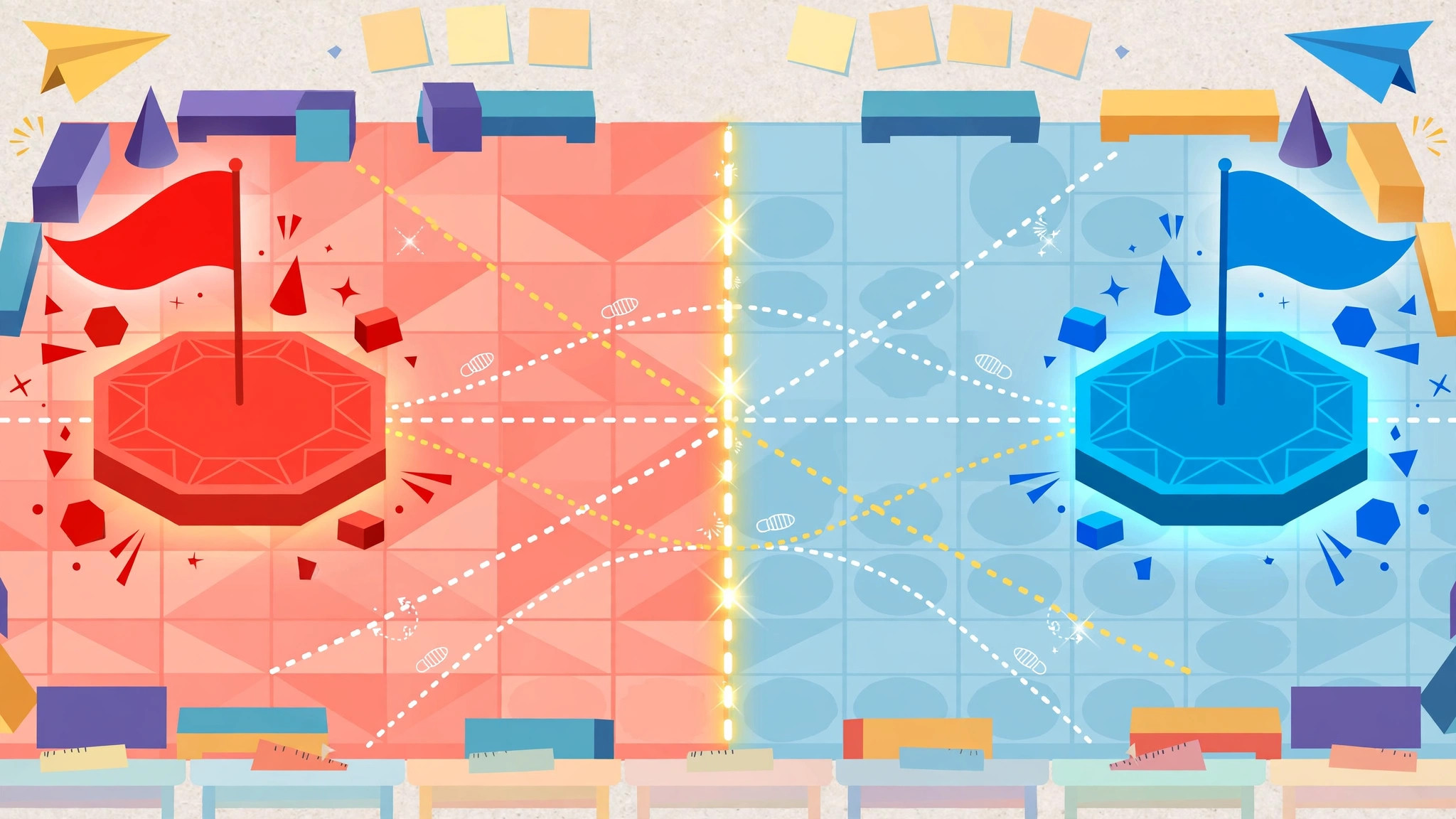
Strong gimkit ctf strategy starts with the unglamorous truth that defence wins flags. A team that concedes zero can win with a single capture; a team that concedes five needs six. Build from the back:
- Hold a defensive line — two committed defenders near your flag, answering steadily and intercepting carriers, will frustrate an entire enemy offence.
- Attack in pairs — a lone raider gets tagged at the flag; a pair arrives with an escort who can screen the carrier’s run home.
- Time your pushes — attack when the enemy’s known defenders are respawned or distracted; the game’s rhythm has tides, and pushing against the tide wastes energy.
- Keep questions flowing everywhere — energy is the team’s shared fuel. A defender who stops answering is a statue. Rotate answering and patrolling so nobody’s tank runs dry.
- Protect the carrier above all — when your teammate has the flag, their survival is the only statistic that exists. Body-block, escort, sacrifice position — get them home.
One more strategic layer: know the score. Chasing a second capture while one up late in the game is glory-hunting; parking the whole team on defence with a lead is simply correct. CTF punishes teams that play the same way at 0–0 and 2–0.
Roles that win matches
Unorganised teams have thirty attackers; organised teams have a system. Suggest these roles before the match and watch the quality transform:
- Goalkeeper — one player who simply never leaves the flag zone. Boring, vital, undefeated in value.
- Sweeper — patrols your half, hunting infiltrators who slipped the line.
- Raiders — two or three fast, confident players who run the flag in rotation.
- Escort — pairs with the carrier; their job is the run home, not personal glory.
- Floater — reads the game and becomes whatever the moment needs: emergency defender, second escort, relief raider.
Rotate roles between matches so everyone experiences the unglamorous jobs — students who have played goalkeeper make noticeably better raiders. And notice how the role conversation itself is a lesson: interdependence, sacrifice plays, and trusting a system are sports curriculum wearing a game’s clothes. The same team-first thinking powers Tag: Domination, CTF’s closest cousin in the mode family.
Common mistakes to coach out
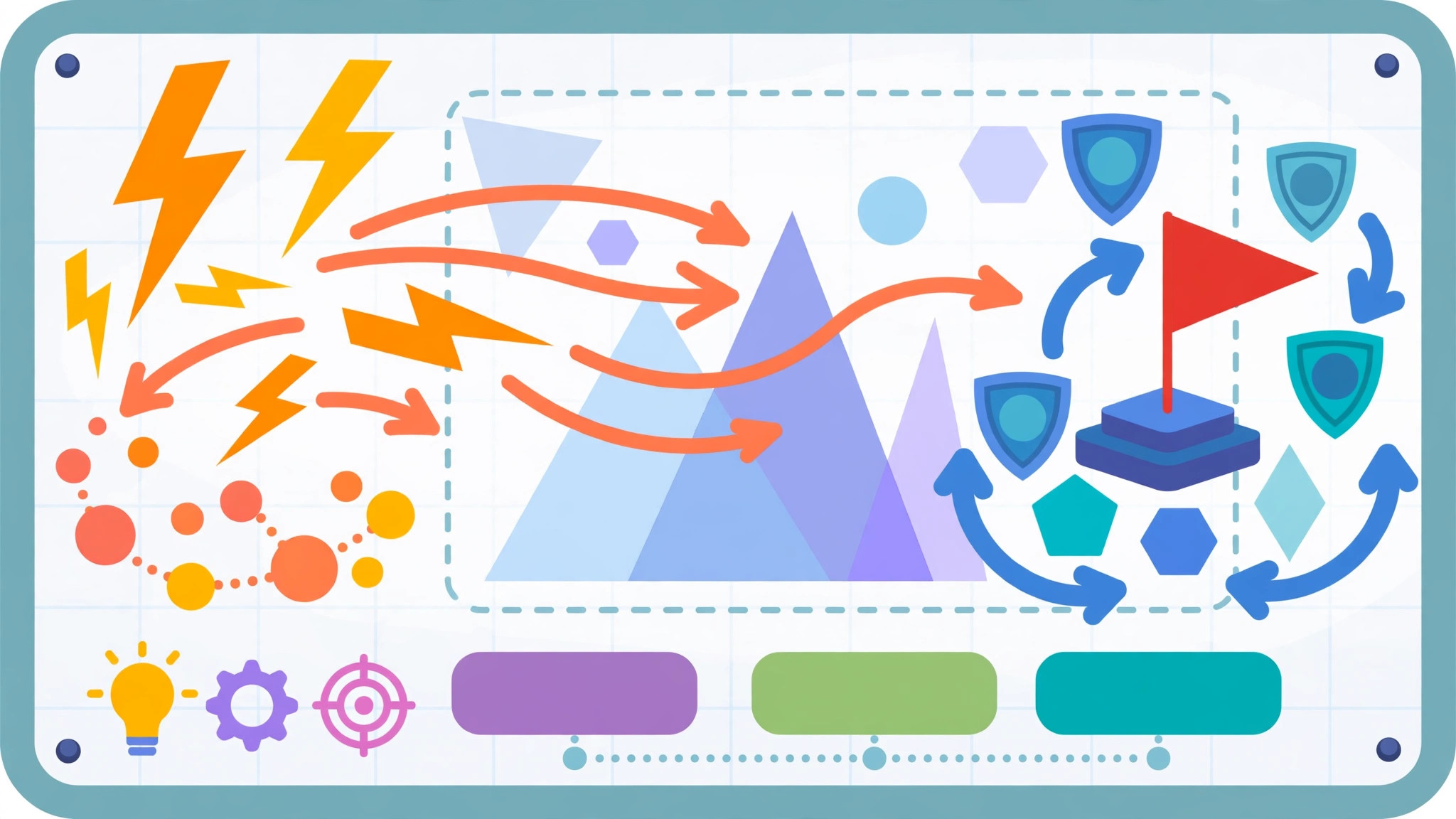
Three habits lose more flags than any enemy brilliance. First, the whole-team raid: everyone attacks, the flag sits alone, and the scoreboard tells the story. Second, carrier tunnel vision: grabbing the flag and sprinting in a straight line through the entire defence, when a two-second detour around them was free. Third, silent play: no callouts, no warnings, no “left side, two coming!” — in CTF, information is a weapon, and quiet teams disarm themselves.
Coach these out between rounds with thirty-second huddles and you will see a different match. That debrief rhythm — play, notice, adjust — is precisely why team modes like this one earn their place in a teaching week, not just a fun Friday. For map-building fans, the team logic carries into custom games too, as our guide to Gimkit Creative teams explores.
Flags, teamwork, and very loud lessons
Capture the Flag takes Gimkit’s question-powered engine and points it at the oldest game in the playground, and the result is the most team-educational mode on the platform. Organise the defence, pair the raids, protect the carrier, and talk constantly. Do that, and your class will not just win more flags — they will start sounding like a team.
For official mode details and availability on your plan, the Gimkit Help Center is the definitive reference. Next match, assign the goalkeeper first — and watch everything else fall into place.
what a season of gimkit capture the flag teaches a class
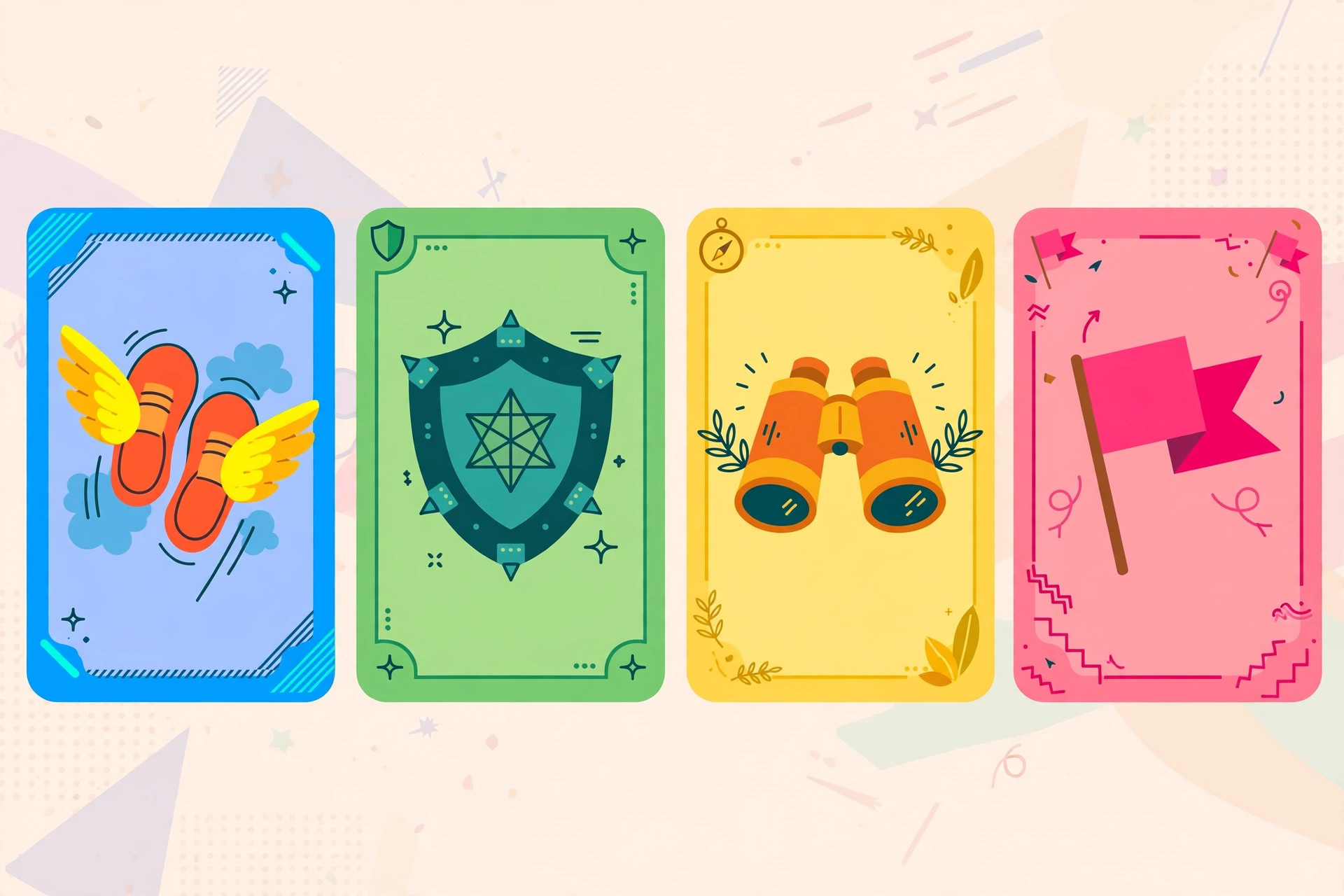
Run gimkit capture the flag monthly for a term and something subtle accumulates: the class develops a shared strategic vocabulary. “Escort,” “reset,” “hold the line” stop being game words and become how students describe group work everywhere — who is carrying the project, who is defending the deadline, who drifted. Teachers underestimate how much of collaboration is simply having common language for it, and few activities mint that language as cheaply as a flag, a border and a rematch clause.
It also rehabilitates rematches. In most school contests, losing ends the story; here, the immediate demand is always “again, but we swap the goalkeeper” — defeat converted instantly into analysis. A class that begs to retry the hard thing, having discussed exactly what to change, is a class practising the core move of all learning. The flag is cardboard. The habit is the curriculum.
capture the flag in small spaces: substitutes and cover lessons
CTF looks like a full-class production, but it survives improvisation gracefully — which makes it a secret weapon for cover lessons and disrupted days. With a borrowed class, skip the lecture: split the room down the middle, explain the flag and the escort idea in ninety seconds, and let a short first match teach the rest. The mode’s clarity is its kindness to strangers; everyone can see what winning looks like from their chair.
With tiny groups, shrink the map ambitions and lengthen the question emphasis: fewer simultaneous raids, more deliberate planning between attempts. The tactics shrink, the thinking grows, and the session still ends with the particular satisfaction only a team objective produces — a result nobody in the room could have achieved alone, in a lesson plan nobody wrote down.
fitness for the shy strategist
Every class contains a student who dreads being watched yet thinks three moves ahead. The goalkeeper’s post and the escort’s supporting run are glory-shaped roles with half the spotlight — and the first time such a student is carried on shoulders for a save, something structural changes in their school year. When you assign roles next match, keep one eye on who needs exactly this kind of win. Modes are tools; knowing which student to hand which job is teaching.
frequently asked questions
How many players do you need for Capture the Flag? It is a team mode, so it wants a real group — a full class split in two is the classic experience. Small groups can still play, but the mode’s soul is numbers: escorts, defenders and raiders all exist because there are enough hands to specialise.
What happens when a flag carrier is tagged? The run ends: the carrier is stopped, and the flag returns toward its base while play resets around the next attempt. This is why escorts matter — the carrier’s journey home, not the grab itself, is where captures are truly won and lost.
Which is more important, attacking or defending? Defending, by a nose: conceding zero means one capture wins the match. But a team that only defends can still draw its way to boredom — the winning shape is a stubborn defence, paired raids, and pushes timed to the game’s tides rather than constant all-out attack.
How do questions power the game? As in every 2D mode, answering questions fuels your ability to move and act at full strength. A team that stops answering runs out of everything that matters — which is why the steadiest answerers, not the flashiest runners, quietly decide most CTF matches.
